There’s a strange kind of hesitation that happens when you’re not sure about your water. You pour a glass, hold it for a second longer than usual, and think—does this seem right?
It’s not always a big, obvious problem. Most of the time, it’s subtle. A taste that feels slightly off. A faint smell you can’t quite explain. Or just a general sense that something has changed.
And once that thought appears, it tends to stay with you.
The Moment Curiosity Turns Into Concern
Water is one of those things we usually take for granted. It’s just there, part of the background of daily life. You don’t question it—until you do.
Maybe you notice stains in the sink that keep coming back. Or your tea doesn’t taste as smooth as it used to. Or your skin feels a bit different after a shower. Nothing dramatic on its own, but enough to make you pause.
That’s usually when people start looking for answers. Not because something is clearly wrong, but because they want clarity.
And the first step toward clarity is surprisingly simple.
Getting Real Answers Instead of Guessing
When it comes to water, guessing rarely helps. Every home is different, every supply behaves differently, and what works for one household might not apply to another.
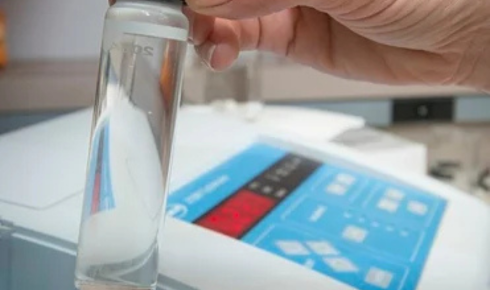
That’s why a basic water test can be such a useful starting point. It doesn’t need to be complicated or technical. It just gives you a snapshot of what’s actually in your water—minerals, chemicals, and anything else that might be affecting taste or quality.
And once you have that information, things start to make more sense. What felt like a vague concern suddenly becomes something you can understand and act on.
Talking to Someone Who Knows What to Look For
After getting results, many people feel a bit unsure about what comes next. Numbers and charts don’t always tell the full story unless you know how to read them.
That’s where a professional consultation can help. Not in a pushy sales way, but more like a conversation. Someone helps you interpret what’s going on, explains what it means in practical terms, and talks you through possible solutions.
It’s often less about selling a product and more about making sense of the situation. And honestly, that alone can take a lot of pressure off your shoulders.
When Action Becomes the Next Step
At some point, understanding turns into decision-making. You’ve seen the results, had the conversation, and now it’s about doing something with that information.
This is where a service request usually comes in. It’s the practical step—getting someone to inspect your system, recommend improvements, or install solutions that match your specific situation.
It sounds formal, but in reality, it’s just the beginning of making your water feel more reliable and less uncertain.
Why Small Steps Make a Big Difference
What’s interesting about water issues is that they rarely require dramatic action right away. Most of the time, it’s a series of small, thoughtful steps.
First, you understand what’s going on. Then you talk to someone who can guide you. Then you decide what kind of improvement makes sense for your home.
It’s not about rushing. It’s about moving with clarity.
And that approach usually leads to better long-term results anyway.
The Quiet Relief of Knowing What’s in Your Water
There’s a certain comfort that comes from simply knowing. Even if the results aren’t perfect, even if there are things to improve, at least you understand what you’re dealing with.
That uncertainty—the “I’m not sure if this is okay” feeling—is often the hardest part.
Once that’s gone, everything feels a bit lighter.
Not Every Problem Needs to Feel Like a Problem
One thing people often realize during this process is that water issues aren’t always as serious as they feel at first. Sometimes it’s just about adjustment. Sometimes it’s about maintenance. And sometimes it’s about upgrading a small part of your system.
The key is not to jump to conclusions too quickly.
Start simple. Gather information. Ask questions. Then decide what actually needs attention.
A More Comfortable Everyday Experience
When water is working the way it should, you stop thinking about it. That’s really the goal.
No second-guessing when you drink it. No frustration when you clean. No subtle annoyance during daily routines.
Just water doing its job quietly in the background, the way it’s supposed to.
A Final Thought
We don’t usually think about water until something makes us notice it. But when we do, it opens the door to understanding something that affects almost every part of daily life.
And the good news is, you don’t need to figure everything out at once.
A simple test. A conversation. A decision.
Step by step, clarity replaces uncertainty—and that’s usually when things start to feel right again.