You probably don’t think much about your water. You turn on the tap, fill a glass, maybe take a sip without even pausing. It’s routine. Familiar. Expected.
But every now and then, something feels just a little off.
Not bad enough to panic—just a faint taste, a slight smell, something you can’t quite put your finger on. You notice it once, then again. And suddenly, something as ordinary as drinking water doesn’t feel so ordinary anymore.
When “Normal” Starts to Feel Different
Water is one of those things we trust by default. It’s clear, it flows, it’s there when we need it. So when something changes, even slightly, it stands out. Read also: Why Healthy Water Begins with Knowing What’s Flowing Through Your Home.
Maybe the flavor feels a bit sharp. Maybe there’s a hint of something chemical. You might even wonder if it’s just your imagination.
Often, it’s not.
In many cases, what you’re noticing is related to chlorine in water—a common part of municipal treatment processes. Chlorine is used to disinfect water, to make it safe by killing bacteria and other harmful microorganisms.
It’s doing an important job. But it can also leave behind a trace—something you can taste or smell.
Why Taste Matters More Than We Admit
Let’s be honest, taste plays a bigger role than we like to admit.
Even if water is technically safe, if it doesn’t taste right, you hesitate. You might reach for bottled water instead, or avoid drinking as much as you should.
That’s the impact of chlorine taste odor—it doesn’t necessarily signal danger, but it changes your experience. It makes something simple feel uncertain.
And over time, that small discomfort can become a daily annoyance.
What’s Actually in Your Water?
Chlorine is just one piece of the puzzle.
Water travels a long way before it reaches your home. Along that journey, it can pick up minerals, sediments, and trace elements from the environment and infrastructure. Some of these are harmless, others less so. Read also: What’s Really in Your Glass? A Calm, Honest Look at the Water We Drink.
These are often grouped under the term water contaminants—a broad category that includes everything from natural minerals to byproducts of industrial processes.
The important thing to remember is that not all contaminants are dangerous at low levels. But they can still affect how water tastes, smells, and feels.
The Balance Between Safety and Comfort
Municipal water systems are designed with safety as the top priority. That’s why chlorine is used—it helps ensure that water is free from harmful bacteria by the time it reaches your tap. Read also: The Day Your Water Stops Feeling Right—and What You Do About It.
But safety doesn’t always equal comfort.
You might have water that meets all regulatory standards but still doesn’t feel quite right. And that’s where personal preference comes into play.
It’s not about questioning safety—it’s about improving the experience.
Small Changes That Make a Difference
The good news is, you don’t need to overhaul your entire system to see improvement.
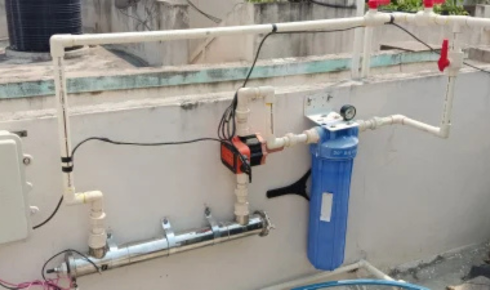
Simple filtration solutions can reduce chlorine levels, improve taste, and remove certain impurities. Activated carbon filters, for example, are often effective at addressing chlorine-related issues. Read also: When Your Water Raises Questions: Knowing What to Do Next.
These aren’t complicated systems. They’re practical, accessible, and often enough to make a noticeable difference.
When to Look a Little Deeper
If the taste or smell is strong, persistent, or paired with other signs—like discoloration or unusual residue—it might be worth investigating further. Read also: When Water Stops Feeling Right: A Quiet Guide to Understanding What’s Really Coming Out of Your Tap.
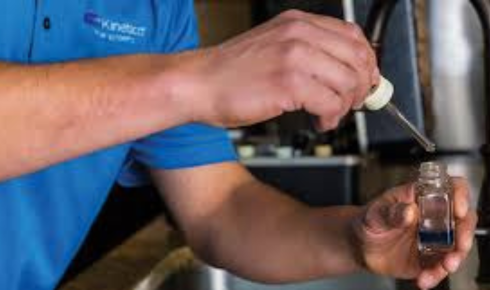
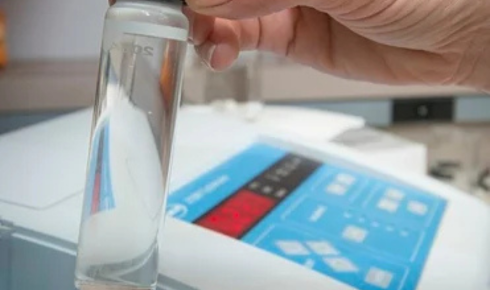
Water testing can provide clarity. It helps identify what’s actually present and whether anything needs attention beyond basic filtration.
It’s not about assuming the worst. It’s about understanding what you’re working with.
The Cost Conversation (Because It Always Comes Up)
Improving water quality often involves some level of investment, even if it’s just a basic filter.
For many people, that’s the biggest consideration. Is it worth it?
The answer depends on what you value. Better-tasting water. More confidence in what you’re drinking. Less reliance on bottled alternatives.
It’s not just about solving a problem—it’s about enhancing something you use every day.
Maintenance: The Part That Gets Overlooked
Even simple systems need a bit of upkeep.
Filters need replacing. Components need occasional attention. It’s not complicated, but it does require consistency.
The upside is, once it becomes part of your routine, it’s easy to manage.
A Final Thought
Water is one of those things we rely on without thinking. It’s part of the background of our lives, quietly supporting everything we do.
But when something changes—even slightly—it reminds us how important it is.
The good news is, most issues related to taste and smell are manageable. With a bit of awareness and the right approach, you can bring your water back to a place where it feels normal again.
And sometimes, “normal” is exactly what you’re looking for.