There’s a certain kind of trust we place in our homes. You expect things to work—water flows when you need it, stops when you don’t, and everything in between just… happens. Read also: Understanding Your Home’s Water: Why Better Water Starts with Better Decisions. Read also: When Your Water Changes, Your Whole Home Feels It.
Until one day, something doesn’t.
It’s rarely dramatic. More often, it’s subtle. A strange sound in the pipes. A sudden drop in pressure. A feeling that something’s off, even if you can’t quite explain it.
And that’s the thing about water—it doesn’t always show problems clearly. It hints at them.
The Signals You Don’t Always Notice
Water systems are full of small signals. Tiny changes in flow, pressure, or usage patterns that most people never notice.
Not because they don’t matter—but because they’re easy to miss.
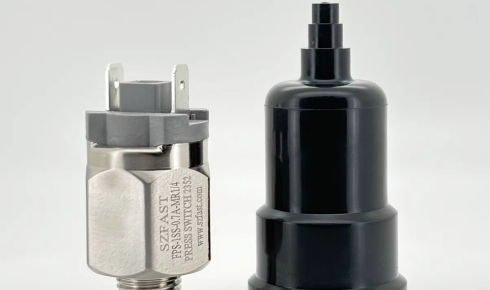
That’s where pressure sensors start to make a difference. They don’t replace your awareness; they extend it. They track how water moves through your home, picking up on shifts that would otherwise go unnoticed.
It’s not something you interact with directly. It just works quietly, gathering information that helps your home understand itself a little better.
When Awareness Becomes Action
Knowing something is wrong is one thing. Knowing it right away is another.
Most water-related problems don’t start big. They build. A small leak becomes a larger one. A minor pressure drop signals something deeper.
By the time you see visible signs, the issue has usually been there for a while.
That’s why real time alerts matter. They bridge the gap between happening and noticing. Instead of finding out too late, you’re informed as soon as something unusual occurs.
It’s not about constant notifications or unnecessary noise. It’s about timely awareness—just enough to act when it counts.
The Shift Toward Smarter Systems
There’s been a quiet shift in how we think about our homes.
They’re no longer just spaces we live in—they’re systems that can respond, adapt, and support us in ways that weren’t possible before.
At the center of this shift is the smart water system. It’s not a single device, but a network of tools working together—monitoring flow, tracking pressure, sending alerts when needed.
What makes it different isn’t complexity. It’s integration.
Everything works together, creating a more complete picture of what’s happening inside your home.
Why Water Is Worth Watching
Out of everything in a home, water is one of the most unpredictable.
It moves behind walls, under floors, through places you don’t see. And when something goes wrong, it often stays hidden until it becomes a problem.
That’s what makes it different from other systems. You can hear a faulty appliance. You can see a broken fixture. But water?
It’s quieter.
And that quietness is exactly why smarter monitoring matters.
Living With Less Guesswork
What’s interesting is how quickly you adapt to having this kind of awareness.
At first, it feels like an upgrade—something new, something useful. But over time, it becomes part of your normal routine.
Or rather, part of what you don’t have to think about anymore.
You stop wondering if everything’s okay. You stop checking things unnecessarily. There’s a level of confidence that settles in—not because your home is perfect, but because it’s paying attention in ways you can’t. Read also: When Your Water Starts Telling a Story You Didn’t Expect. Read also: When Water Stops Feeling Right: A Quiet Guide to Understanding What’s Really Coming Out of Your Tap. Read also: Why Healthy Water Begins with Knowing What’s Flowing Through Your Home.
The Cost Question (Because It Always Comes Up)
Let’s be honest—any kind of smart upgrade comes with a cost.
And for many people, that’s the biggest hesitation. Is it worth it?
Water damage isn’t something that happens every day. But when it does, it can be expensive, disruptive, and difficult to manage.
So the question becomes less about cost and more about prevention.
Are you investing in something you might not need, or protecting yourself from something you’d rather avoid?
There’s no single answer. But it’s a question worth asking.
Maintenance Without the Hassle
Even smart systems need a bit of care.
Occasional updates, simple checks—nothing overwhelming. They’re designed to reduce effort, not add to it.
And once they’re in place, they tend to stay out of your way.
That’s part of what makes them effective.
A Final Thought
Your home is full of systems working quietly in the background. Water is one of the most important—and one of the least visible.
When everything works, you don’t think about it. And that’s how it should be.
But when something changes, even slightly, it can have a bigger impact than you expect.
Smart water monitoring doesn’t eliminate every risk. It doesn’t make your home perfect.
But it does make it more aware. More responsive. More aligned with the way you live.
And sometimes, that’s exactly what you need—not more control, but better awareness.
Because the sooner you know something’s off, the easier it is to make it right.