There’s a point in every business where small details start to matter more than they used to. Not because things were ever “bad,” but because expectations quietly rise. Customers notice more. Processes become tighter. Margins depend on consistency.
And somewhere in that shift, water moves from being background noise to something worth paying attention to.
It’s easy to overlook. After all, water flows, machines run, products get made. But if you’ve ever dealt with scaling in equipment, inconsistent product quality, or even subtle taste variations in food or beverages, you’ve already felt its impact — whether you called it out or not. Read also: When Water Becomes a Business Decision: The Hidden Factor Behind Smooth Operations.
The Role Water Plays Behind the Scenes
In many industries, water is more than a resource. It’s part of the process itself.
Think about manufacturing, food production, pharmaceuticals, even hospitality. Water interacts with ingredients, machinery, and outcomes in ways that aren’t always obvious at first glance. And when it’s not consistent, neither are your results.
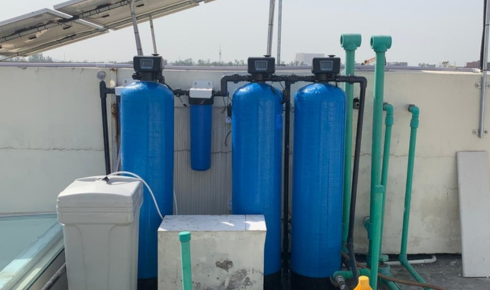
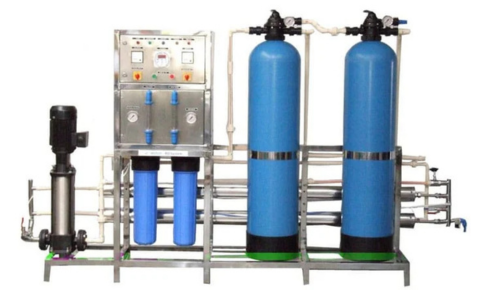
That’s where advanced commercial ro systems begin to make sense. Not as a luxury upgrade, but as a practical response to a recurring problem — the need for reliable, predictable water quality.
These systems are designed to handle larger volumes while maintaining a level of precision that standard setups often can’t match. And in a business setting, that precision translates directly into performance. Read also: Why Water Quality Quietly Shapes the Reputation of a Business.
Why Consistency Matters More Than Perfection
There’s a tendency to chase “perfect” water. Zero impurities, absolute clarity, complete control. But in reality, most businesses don’t need perfection. They need consistency.
Consistency means your processes behave the same way every day. It means fewer surprises, fewer adjustments, fewer variables to manage.
When you’re working toward high purity water, the goal isn’t just cleanliness — it’s reliability. It’s knowing that the water you’re using today will behave the same way tomorrow, and the day after that.
That kind of predictability is what keeps operations smooth and outcomes dependable.
The Invisible Problem of Dissolved Solids
One of the trickiest aspects of water quality is that many issues aren’t visible. You can’t see them, and often, you can’t taste them either. Read also: When Water Becomes a Decision: Looking Beyond the Tap in Homes and Businesses.
Dissolved solids — minerals, salts, and other microscopic elements — fall into that category. They’re present in varying amounts depending on your water source, and over time, they can affect everything from equipment efficiency to product quality. Read also: When Water Stops Feeling Simple: Understanding the Systems Behind Everyday Flow.
Systems designed to remove dissolved solids address this challenge at its root. By reducing these unseen elements, they help maintain the integrity of both your machinery and your output.
It’s not something you notice immediately. But over time, the difference becomes clear — fewer maintenance issues, more stable processes, better overall performance.
The Cost of Doing Nothing
Here’s the thing: water issues rarely cause instant failures. They build slowly.
Scale accumulates inside pipes and equipment. Efficiency drops, just a little at first. Products vary slightly from batch to batch. Nothing catastrophic — just enough to create friction.
And that friction adds up.
Maintenance costs increase. Downtime becomes more frequent. Quality control requires more attention. These are the hidden costs of ignoring water quality.
Addressing the issue early doesn’t just solve problems. It prevents them from growing into something bigger.
Finding the Right Balance for Your Business
Not every business needs the same level of water treatment. A small café has different needs than a manufacturing plant. A healthcare facility operates under different standards than a hotel. Read also: Why More Homeowners Are Taking Water Quality Seriously.
The key is understanding what matters most in your specific context.
Do you need consistent taste? Equipment protection? Regulatory compliance? Once you identify your priorities, the path forward becomes clearer.
And often, it’s not about overhauling everything. It’s about making targeted improvements that align with your operations.
The Subtle Benefits You Start to Notice
What’s interesting about improving water quality in a business setting is how the benefits show up.
They’re not always dramatic. You don’t flip a switch and see immediate transformation. Instead, you notice fewer issues. Smoother processes. Less time spent troubleshooting.
Your team spends less time reacting and more time focusing on what matters. Customers experience consistency, even if they don’t know why.
It’s the kind of improvement that quietly supports everything else.
Keeping It Practical, Not Overcomplicated
It’s easy to get lost in technical details when exploring water systems. Specifications, capacities, filtration stages — it can feel overwhelming.
But at its core, the decision is simpler than it seems.
What problems are you trying to solve? What outcomes are you aiming for?
Start there. Focus on practical solutions that address real needs. You don’t need the most advanced system on the market — just the one that works for your situation.
A Better Foundation for Growth
As businesses grow, small inefficiencies become more noticeable. What worked at one scale doesn’t always hold up at another.
Water quality is one of those foundational elements that can either support growth or quietly hold it back.
Getting it right early — or revisiting it when things change — creates a more stable base for everything else.
Final Thoughts
Water might not be the first thing you think about when improving your business, but it’s often one of the most impactful.
It touches processes, products, and people in ways that aren’t always visible but are always present.
By focusing on consistency, understanding your needs, and making thoughtful adjustments, you can turn water from a background utility into a reliable asset.
And in the long run, that reliability is what keeps everything moving forward — smoothly, quietly, and without unnecessary complications.