There’s a quiet trust we place in water. You turn on the tap, fill a glass, take a sip—no second thought. It’s one of those everyday habits that feels almost automatic, like breathing or blinking.
But every now and then, something nudges that routine. Maybe the taste feels slightly different. Maybe you read something that makes you pause. Or maybe it’s just curiosity—nothing dramatic, just a simple question: what’s actually in this?
And that’s where things start to get interesting.
When Curiosity Turns Into Awareness
Most people don’t question their water until something feels off. But the truth is, water can change in ways that aren’t always obvious. It can carry minerals, trace chemicals, even microscopic elements that don’t affect how it looks but still influence quality.
That’s why water testing has quietly become more common in recent years. Not because people are panicking—but because they want clarity. They want to move from guessing to knowing.
And often, the results aren’t alarming. Sometimes they simply confirm what you already suspected—that your water is fine, or that it could use a small improvement.
Either way, knowledge has a way of settling the mind.
The Journey Water Takes Before It Reaches You
It’s easy to think of water as something that just “arrives.” But in reality, it travels.
From its source—whether that’s a municipal supply or a private well—it moves through treatment facilities, storage systems, and miles of piping before it reaches your home. Along the way, it picks up characteristics shaped by infrastructure, environment, and time.
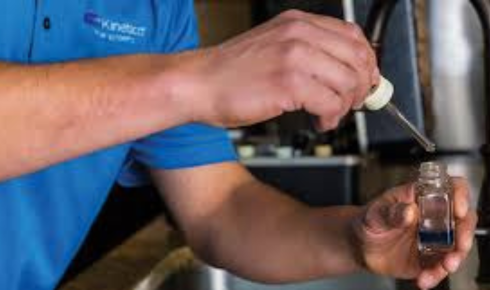
This is where water quality analysis becomes useful. It goes beyond basic testing, offering a more detailed look at what’s present and how it might affect your daily use.
For some homes, it reveals minor mineral imbalances. For others, it highlights areas where filtration could make a difference. And sometimes, it simply reassures you that everything is exactly as it should be.
Taste, Trust, and Everyday Experience
Water quality isn’t just about safety—it’s about experience.
The way your tea tastes. How your food cooks. Even how refreshing a glass of water feels after a long day. These are small moments, but they add up.
When water tastes clean and neutral, you don’t think about it. You just drink it. But when something feels slightly off, it lingers in your mind.
That’s where the idea of drinking water safety becomes more personal. It’s not just about meeting standards—it’s about feeling confident in what you’re using every day.
And that confidence often comes from understanding, not assumption.
The Subtle Signs You Might Be Missing
Sometimes, your water gives you hints.
A faint odor after heavy rain. A slight film on glassware. A difference in how soap lathers or how your skin feels after a shower.
These aren’t always signs of a serious problem. But they are signals—small changes that suggest something might be different.
Paying attention to those signals doesn’t mean overreacting. It just means staying aware.
What You Can Do Without Overcomplicating Things
Once you start thinking about water quality, it’s easy to feel overwhelmed. There’s a lot of information out there, and not all of it is easy to navigate.
But you don’t need to dive into everything at once.
Start simple. If you’re curious, consider testing your water. If you notice specific issues, look into solutions that address those directly—whether it’s improving taste, reducing minerals, or enhancing overall clarity.
You don’t need a perfect system. You just need something that works for you.
The Balance Between Peace of Mind and Practicality
There’s a line between being informed and being anxious. And with water, that line is easier to manage than it might seem.
Understanding your water doesn’t mean constantly worrying about it. In fact, it often has the opposite effect. It replaces uncertainty with clarity, making everyday use feel more reliable.
And that reliability is what most people are really looking for.
Final Thoughts: A Small Question That Leads to Better Habits
Water is one of the simplest things in our lives, and maybe that’s why we don’t question it often. It’s always been there, always worked well enough, always felt dependable.
But asking a small question—what’s in my water?—can lead to meaningful insights.
Not because something is wrong, but because something can always be improved.
And in the end, that’s what this is about. Not fear, not perfection—just a quiet shift toward understanding something we use every single day.
Because when your water feels right—clean, consistent, trustworthy—you stop thinking about it altogether.
And honestly, that’s exactly how it should be.