There’s a strange moment that catches most people off guard. You take a sip of water—something you’ve done a thousand times—and suddenly it feels… different. Not bad exactly, just not quite right. Read also: What Cloudy Tap Water Is Really Trying to Tell You.
Maybe your coffee doesn’t taste as rich. Maybe your glass has a faint smell you can’t ignore. Or maybe it’s just a feeling, like your water isn’t as clean as it used to be. Read also: When Your Home Starts Listening: The Quiet Rise of Smarter Water Awareness.
And once that thought lands, it tends to stay.
The Things You Can’t Always See
Water is a bit deceptive. It looks clear, which makes it easy to trust. But clarity doesn’t tell the whole story.
There are tiny, invisible elements that can exist without changing how water looks. These contaminants might come from natural sources, aging pipes, or even the treatment process itself.
Now, this doesn’t mean your water is unsafe. In many cases, it meets all the required standards. But “safe” and “ideal” aren’t always the same thing.
Sometimes, those invisible elements affect taste, smell, or how water interacts with your daily routine. And that’s usually what people notice first.
Why Taste Matters More Than You Think
Taste is often the first clue that something has shifted.
You might not be able to describe it exactly—just that your water feels flat, or slightly metallic, or a bit off. It’s subtle, but persistent.
And here’s the interesting part: once you improve your water, even slightly, the difference becomes obvious. Water starts to feel refreshing again. Your coffee tastes fuller. Even simple things like cooking become more enjoyable. Read also: When Your Water Changes, Your Whole Home Feels It.
That’s when people start exploring options, not out of worry, but out of curiosity.
The Role of Modern Solutions
There’s no shortage of ways to improve water today, and many of them are designed to work quietly in the background.
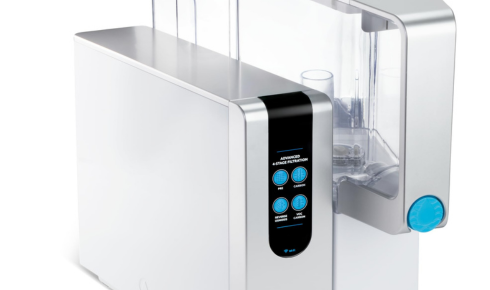
Among these, water purification systems have become a popular choice. They’re built to address a range of concerns—from taste and odor to removing unwanted particles.
What makes them appealing is their adaptability. Some focus on specific issues, while others provide a more comprehensive approach.
The goal isn’t to make water perfect. It’s to make it consistent, reliable, and comfortable to use every day.
When You Want the Cleanest Possible Taste
For those who notice taste differences more strongly, there’s one method that often stands out: reverse osmosis.
It’s a process that filters water at a very fine level, removing many of the tiny elements that affect flavor and clarity.
The result is water that feels lighter, cleaner, almost neutral in the best possible way.
You might not think much of it at first. But then you realize your drinks taste better. Your ice cubes are clearer. Your water just feels… right.
And once you get used to that, it’s hard to go back.
The Subtle Impact on Everyday Life
What’s fascinating about water is how much it influences your routine without demanding attention.
It’s in your morning coffee, shaping the flavor more than you might expect. It’s in your cooking, affecting how ingredients come together. It’s even in your hydration—how much you enjoy drinking water in the first place. Read also: When Your Water Starts Telling a Story You Didn’t Expect.
When water feels good, everything flows more naturally. You don’t think about it.
But when it’s slightly off, those small differences start to add up.
Finding What Works for You
There’s no single answer when it comes to water. Every home is different, every supply has its own characteristics.
Some people are happy with basic improvements to taste. Others want a more thorough approach. In many cases, it’s about finding the right balance between simplicity and effectiveness. Read also: When Your Water Raises Questions: Knowing What to Do Next.
The key is paying attention to what you notice. Taste, smell, clarity—these are all clues.
And once you understand your water a little better, the path forward becomes clearer.
A Change That Feels Quiet but Meaningful
Improving your water isn’t something you notice all at once.
There’s no dramatic moment where everything suddenly looks different. Instead, it’s gradual.
Your water tastes cleaner. Your drinks feel more enjoyable. Your routines become just a bit smoother.
And then, after a while, it becomes normal.
You stop thinking about it—because everything is working the way it should.
A Final Thought, Just to Sit With
Water is one of those things we rely on every single day, yet rarely question.
But when you start paying attention—even just a little—you realize how much it shapes your daily life.
Not in big, obvious ways. In small, consistent ones.
And sometimes, those small improvements are all it takes to make everything feel just a bit better.