Water has this strange way of being invisible until it isn’t. You don’t think much about it when you turn on the tap every morning. It’s just there—reliable, routine, almost forgettable. But then something shifts. Maybe it’s a faint metallic taste, a cloudy glass, or a subtle smell that lingers just a bit too long. And suddenly, that everyday comfort feels… questionable.
That’s usually where curiosity begins.
Noticing the Little Things That Don’t Feel Right
Most people don’t wake up one day and decide to deeply analyze their water quality. It’s often the small signals that nudge you in that direction. A kettle that builds up scale faster than usual. Soap that doesn’t quite lather the same. Skin that feels a little drier after a shower. Read also: The Day Your Water Stops Feeling Right—and What You Do About It.
These aren’t dramatic problems. They’re quiet ones. Easy to ignore—until they aren’t.
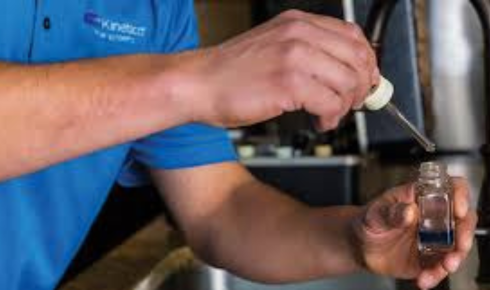
And when those signals stack up, it becomes less about overthinking and more about wanting clarity. That’s when a simple water test starts to make sense. Not as a technical chore, but as a way to answer a basic question: “What exactly am I using every day?”
What a Test Actually Tells You (And What It Doesn’t)
There’s a common misconception that testing water is only for extreme cases—like visibly dirty water or obvious contamination. In reality, most issues are subtle. Minerals, dissolved solids, trace chemicals—they don’t always announce themselves loudly.
A good test doesn’t just confirm whether water is “safe” or “unsafe.” It paints a fuller picture. Hardness levels, pH balance, potential contaminants… it’s more like getting a detailed report card than a simple pass or fail. Read also: When Water Stops Feeling Simple: Understanding the Systems Behind Everyday Flow.
But here’s the thing—numbers alone don’t always tell you what to do next. You might see results and think, “Okay… now what?”
That’s where interpretation becomes just as important as the test itself.
Why Talking to Someone Still Matters
We live in a time where you can Google almost anything. And yes, there’s plenty of information out there about water quality. But context matters. Your home, your plumbing, your local supply—these are all unique factors that generic advice doesn’t always cover.
Sometimes, it helps to just talk it through with someone who understands the nuances. A proper consultation isn’t about pushing products or overwhelming you with jargon. At its best, it feels more like a conversation—one where your concerns are heard, and the solutions actually make sense for your situation.
It’s not about fixing something that’s “broken.” It’s about understanding what’s already there and deciding if it aligns with what you want for your home.
Solutions Aren’t Always Complicated
One of the biggest hesitations people have is the assumption that once they start this process, it’s going to get expensive or complicated. New systems, installations, maintenance—it can feel like a lot. Read also: When Your Home Starts Listening: The Quiet Rise of Smarter Water Awareness.
But the reality is often simpler.
Sometimes, the solution is a minor adjustment. Other times, it’s about choosing the right type of filtration or treatment system that fits your lifestyle. Not every home needs a full overhaul. Not every concern requires a high-tech fix. Read also: What’s Really in Your Glass? A Calm, Honest Look at the Water We Drink.
It’s less about “doing everything” and more about doing what’s appropriate.
Living With Better Water, Quietly
When people talk about improved water quality, they often focus on the big benefits—health, safety, long-term protection. And those are important, no doubt.
But the everyday differences? Those are the ones you actually feel.
Water that tastes cleaner without needing a second thought. Showers that feel just a bit more refreshing. Appliances that last longer because they’re not fighting mineral buildup. These are the small wins that quietly add up.
You stop thinking about your water again—but this time, it’s because everything feels right.
Taking That First Step Without Overthinking It
If you’re on the fence about exploring your water quality, you’re not alone. It’s easy to postpone, to assume it’s “probably fine,” or to feel unsure about where to begin. Read also: When Your Water Raises Questions: Knowing What to Do Next.
But starting doesn’t have to be complicated. Even something as simple as making a service request can open the door to understanding what’s going on beneath the surface.
You don’t have to commit to anything right away. You don’t need to have all the answers. Sometimes, the first step is just asking the question.
A Final Thought That Sticks
Water is one of those things we rely on without thinking—until something feels off. And when it does, it’s not about panic or overreaction. It’s about curiosity, awareness, and maybe a little bit of care.
Because at the end of the day, it’s not just about what’s coming out of your tap. It’s about how it fits into your daily life, your comfort, your peace of mind.
And honestly, that’s worth paying attention to—even if it starts with just a small question lingering in the back of your mind.