There’s a quiet shift happening in how people talk about surgery. Not long ago, it carried this heavy, almost intimidating weight—long hospital stays, slow recovery, stories that sounded more like endurance tests than healing journeys. Now, the tone feels… lighter. Still serious, yes, but less overwhelming.
You’ll hear it in casual conversations. Someone mentions a procedure and shrugs, “Honestly, I was home before I knew it.” And it makes you pause a bit—how did we get here?
The answer isn’t one big breakthrough. It’s a series of small, thoughtful changes that have reshaped the experience from the inside out.
Less Disruption, More Precision
If there’s one idea that captures modern surgery, it’s this: do what’s necessary, but disturb as little as possible.
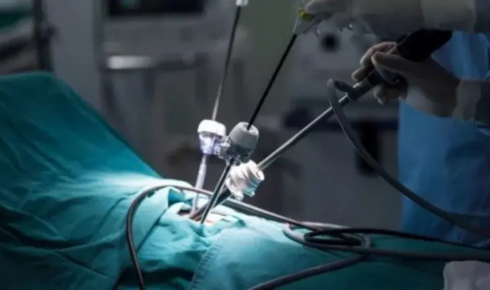
That’s where minimally invasive surgery comes in. Instead of large incisions and extensive exposure, surgeons now use tiny entry points, guided by cameras and specialized instruments. It’s almost like working through a keyhole—precise, controlled, and surprisingly effective.
For patients, the difference is noticeable right away. There’s less strain on the body, less visible impact, and often a sense that the procedure didn’t take as much out of them as they expected.
It’s not magic, of course. The skill behind it is immense. But the result feels gentler, more aligned with how people actually want to heal.
And maybe that’s the point—making surgery feel less like a disruption and more like a step forward.
The Hospital Stay Isn’t What It Used to Be
There was a time when surgery automatically meant days—sometimes weeks—in a hospital bed. The routine was predictable: admission, procedure, extended monitoring, slow discharge.
Now, that timeline has shifted.
Many patients experience shorter hospitalization, sometimes going home the same day or within a couple of days, depending on the procedure. It’s not about rushing people out—it’s about recognizing when they’re ready to recover in a more comfortable environment.
Hospitals, for all their expertise, aren’t where most people feel at ease. Being able to return home sooner often brings a sense of relief that’s hard to quantify.
Of course, safety comes first. Discharge decisions are made carefully, with follow-up plans in place. But when everything aligns, the transition feels smooth—almost natural.
And for patients, that can make the entire experience feel less clinical and more personal.
Recovery That Fits Real Life
Let’s be honest—recovery is usually the part people worry about most. The idea of being sidelined, of putting life on hold, of navigating that in-between phase where you’re not quite yourself yet.
But here’s where things have changed in a meaningful way.
Modern approaches often lead to a faster recovery, allowing people to return to their routines sooner than they might have expected. Not instantly, of course—healing still takes time—but the pace feels more manageable.
There’s also more guidance now. Patients aren’t left guessing what’s normal or when they can resume certain activities. Clear instructions, regular check-ins, and a better understanding of the recovery process all contribute to a smoother experience.
And perhaps most importantly, recovery feels less isolating. You’re not just sent home and left to figure it out—you’re supported, even from a distance.
The Role of Trust and Communication
For all the advancements in technique and technology, one thing remains constant: the importance of trust.
Patients don’t just want a successful procedure—they want to feel understood. They want to know what’s happening, why it’s happening, and what comes next.
That’s why communication matters so much. A doctor who takes the time to explain things clearly can transform the experience. Questions feel welcome, not inconvenient. Concerns are addressed, not dismissed.
These interactions might seem small, but they shape how patients perceive their entire journey.
Because at its core, surgery isn’t just about the body—it’s about the person.
Choosing What Works for You
If you’re facing surgery, it’s easy to feel overwhelmed by options, opinions, and information. But here’s something worth remembering: you don’t have to decide everything at once.
Take your time. Ask questions. Understand the approach being recommended and why it’s suitable for your situation.
Sometimes, the best choice isn’t the most advanced or the most talked about—it’s the one that aligns with your comfort level and your needs.
And when you feel confident in that decision, the rest of the process tends to feel more manageable.
A Quiet Evolution Worth Noticing
What’s happening in modern surgery isn’t loud or dramatic. There’s no single moment where everything changed overnight. Instead, it’s been a steady evolution—better tools, refined techniques, and a deeper understanding of what patients actually experience.
Individually, these changes might seem small. But together, they’ve created something meaningful.
Surgery still carries weight. It still requires preparation, trust, and a bit of courage. But it also offers something new—a sense of reassurance, grounded in progress and shaped by care.
And for anyone standing at that crossroads, that reassurance can make all the difference.