Most businesses spend a lot of time thinking about things customers can easily see.
Interior design. Branding. Staff training. Lighting. Packaging. Menus. Marketing campaigns. All important, obviously. But there’s another factor quietly affecting restaurants, hotels, offices, healthcare facilities, and manufacturing spaces every single day that people rarely talk about enough: water quality.
And honestly, once water problems start appearing inside a commercial space, they tend to affect everything faster than expected.
Coffee tastes inconsistent. Ice machines struggle. Glassware develops cloudy residue. Equipment wears out early. Employees complain about odors or strange-tasting tap water. Customers may not immediately know what feels “off,” but they notice something.
That’s the tricky thing about water. It works silently in the background until it suddenly becomes impossible to ignore.
Businesses Use More Water Than They Realize
Commercial properties rely on water constantly, often far more heavily than residential homes do.
Think about how many systems depend on it daily:
- Kitchens
- Ice machines
- Restrooms
- Cooling systems
- Laundry equipment
- Coffee machines
- Dishwashers
- Boilers
- Manufacturing equipment
When water quality isn’t managed properly, the effects tend to spread across operations in subtle but expensive ways. Read also: The Kind of Water You Don’t Have to Second-Guess.
I remember visiting a café years ago where the owner kept replacing espresso machine components every few months. At first, they blamed cheap equipment. Eventually they discovered mineral-heavy water had been quietly damaging the machines the entire time.
Once filtration was upgraded, the maintenance problems slowed dramatically.
Water Problems Don’t Always Look Dramatic
One reason businesses delay addressing water quality issues is because the damage usually builds gradually.
Mineral deposits form slowly inside pipes and equipment. Sediment collects over time. Water pressure declines subtly. Appliances become less efficient little by little until higher energy bills or repair costs finally force attention onto the issue.
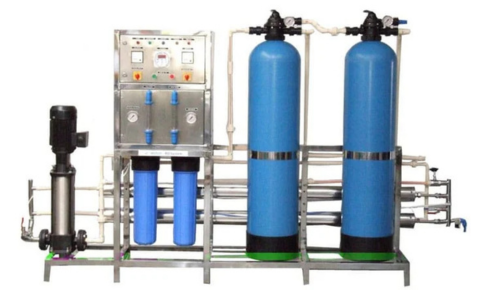
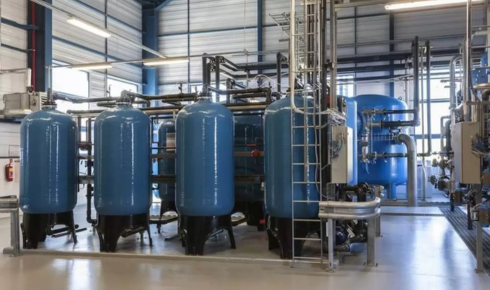
A proper commercial water filtration system often isn’t about fixing one catastrophic problem. It’s about reducing constant low-level strain on equipment and operations every single day.
That preventative side matters more than many businesses realize initially.
Customer Experience Is Tied to Water More Than You’d Think
Restaurants and hospitality businesses especially feel the effects of poor water quality quickly.
Coffee flavor changes. Tea tastes flat. Glassware spots more easily. Bathrooms develop buildup around fixtures faster. Even the smell of water during handwashing can quietly affect how clean a space feels to customers. Read also: When Water Quality Becomes a Business Priority, Not Just a Utility.
People may not consciously identify water as the issue, but they absolutely notice the results.
Hotels are another great example. Guests expect showers to feel clean and comfortable. Hard water, chlorine-heavy water, or sulfur odors can quietly damage the overall experience even when the property itself looks beautiful.
And in competitive industries, tiny details matter.
Water Treatment Is Really About Protection
A lot of business owners think filtration systems exist mainly for drinking water quality. That’s part of it, of course. But in commercial settings, equipment protection becomes equally important.
Proper commercial water treatment can help reduce:
- Scale buildup
- Sediment accumulation
- Corrosion issues
- Equipment downtime
- Maintenance costs
- Energy inefficiency
Water heaters, boilers, dishwashers, cooling towers, and manufacturing systems all operate more effectively when the incoming water is balanced properly. Read also: Why More Homeowners Are Taking Water Quality Seriously.
And considering how expensive commercial equipment repairs have become, prevention usually makes financial sense long before major failures happen.
Every Business Has Different Water Needs
This is where things sometimes get oversimplified online.
A filtration setup that works beautifully for a restaurant might be completely wrong for a medical office or manufacturing facility. Different industries face different challenges depending on water usage, local supply conditions, and equipment sensitivity.
For example:
- Restaurants often focus heavily on taste and scale reduction
- Hotels prioritize guest comfort and plumbing longevity
- Manufacturing spaces may require specialized filtration for machinery
- Healthcare facilities often need highly controlled water quality standards
That’s why testing and proper system design matter so much before choosing equipment. Read also: When Water Becomes a Business Decision: The Hidden Factor Behind Smooth Operations.
There’s no magical universal system that solves every commercial water problem equally well.
Water Filtration Has Improved Quietly Over the Years
Modern water filtration technology is far more advanced than many people realize.
Older commercial systems sometimes had a reputation for being bulky, inefficient, or difficult to maintain. Newer systems are often more compact, scalable, and easier to monitor remotely. Many even include automated alerts for maintenance or filter replacement schedules.
That matters because businesses don’t want complicated systems demanding constant attention from staff.
They want reliable infrastructure working quietly in the background while operations continue smoothly.
And honestly, that’s exactly how good water systems should feel — invisible when functioning properly.
Employees Notice Water Quality Too
This part often gets overlooked.
Employees interact with water constantly throughout the workday. Breakroom coffee, drinking fountains, kitchen sinks, restrooms — all of it influences comfort and workplace satisfaction more than companies sometimes realize.
When water tastes strange or leaves strong odors, staff notice quickly. Over time, small frustrations affect morale in subtle ways.
Cleaner water doesn’t magically transform workplace culture overnight, obviously. But it does remove one more source of low-level annoyance from the environment.
Maintenance Still Matters
Even the best commercial systems need occasional attention.
Filters require replacement. Softening systems need servicing. Sediment systems must be inspected regularly. Businesses sometimes install expensive treatment systems and then neglect routine maintenance entirely, which eventually reduces performance. Read also: Why Whole-Home Water Filtration Can Make Everyday Life Better.
The good news is that modern systems are generally easier to manage than older generations were.
Still, consistency matters.
A well-maintained system almost always performs better long term than a neglected premium system installed without follow-through.
Final Thoughts
Water quality affects businesses in ways that are often easy to overlook until problems become expensive or highly visible. From customer experience to equipment protection, water quietly influences daily operations across almost every industry.
The encouraging part is that modern commercial treatment systems give businesses far more control than they used to have. With proper testing, thoughtful system design, and regular maintenance, companies can improve efficiency, reduce long-term costs, and create a better overall environment for both customers and employees.
And honestly, sometimes the smartest business investments are the ones customers never consciously notice — because everything simply works the way it should.