There’s a moment many homeowners eventually experience, though it usually starts with something small.
Maybe your tap water suddenly tastes a little metallic. Maybe your coffee doesn’t taste quite right anymore, even though you’re using the same beans. Or maybe you’ve grown tired of scrubbing cloudy spots off dishes and shower doors every other day.
At first, these things feel minor enough to ignore. Life is busy. Water is just… water, right?
But over time, people start realizing how much their home’s water affects daily comfort. Not just drinking, either. Water touches almost everything inside a house — showers, laundry, cooking, appliances, plumbing, even the way your skin and hair feel after a long day.
And honestly, once you notice those connections, it becomes difficult to stop paying attention.
Water Problems Rarely Look the Same in Every Home
One thing homeowners quickly learn is that water quality issues vary a lot depending on where you live.
Some homes struggle with hard minerals that leave stubborn residue everywhere. Others deal with chlorine-heavy municipal water that affects taste and smell. Rural homes using well water sometimes face sediment or sulfur issues that city homeowners never encounter at all. Read also: Why More Homeowners Are Paying Attention to Their Water Again.
That’s why there’s no universal “perfect” fix for every household.
A family living in a newer suburban neighborhood may need something entirely different than someone restoring an older rural property with aging pipes. Even homes only a few miles apart can experience noticeably different water conditions.
And honestly, that’s where proper testing and personalized recommendations matter far more than buying random products online because an advertisement sounded convincing.
Most Homeowners Want Simplicity, Not Fancy Technology
This is probably one of the biggest misconceptions about water treatment systems.
People often assume homeowners are chasing luxury upgrades or complicated technology setups. In reality, most families simply want fewer problems.
They want water that tastes clean. Showers that feel comfortable. Appliances that last longer. Laundry that comes out soft instead of stiff. They want confidence that the systems inside their home are supporting daily life rather than quietly creating more maintenance headaches.
That’s why many homeowners start exploring comprehensive water treatment solutions after dealing with recurring frustrations for years.
Not because they suddenly became fascinated with plumbing equipment, but because the small annoyances finally became impossible to ignore.
And honestly, that makes perfect sense.
Filtration Changes More Than Drinking Water
A lot of people assume filtration systems only matter for the kitchen sink.
But quality water filtration can affect far more than what ends up in a glass. Depending on the system, filtration may help reduce sediment, chlorine, odors, mineral content, or other impurities flowing throughout the home.
And the effects often become noticeable in surprisingly ordinary ways.
Coffee tastes cleaner. Ice cubes stop carrying strange smells from the freezer. Dishes dry more clearly. Skin feels less irritated after showers. Some homeowners even notice their cleaning routines become easier because soap behaves differently with better water conditions. Read also: Why More Homeowners Are Thinking Beyond Just Drinking Water.
None of these improvements feel dramatic individually, but together they create a home environment that simply feels more comfortable day to day.
That’s probably why so many people say they wish they had improved their water systems earlier.
Reverse Osmosis Became More Popular for a Reason
There’s also been a growing shift toward dedicated drinking water systems in recent years, especially among homeowners trying to reduce bottled water usage.
That’s where reverse osmosis systems entered the conversation more heavily.
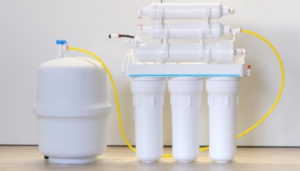
Most people first hear about reverse osmosis through bottled water brands or advertisements, but many don’t realize how common these systems have become in ordinary homes. Installed under kitchen sinks, they help reduce a wide range of dissolved impurities that regular carbon filters may not fully address. Read also: Why Water Quality Quietly Shapes the Reputation of a Business.
And honestly, the taste difference can be surprisingly noticeable.
Tea tastes cleaner. Cooking water feels fresher. Even something as simple as filling a reusable water bottle before leaving the house becomes more satisfying when the water itself tastes genuinely good.
Of course, reverse osmosis systems aren’t perfect for every situation. They require maintenance, filter replacements, and some homeowners prefer water with more natural mineral content. But for many households, the consistency alone makes the upgrade worthwhile.
Water Quietly Affects Household Costs Too
One thing people often overlook is how water quality impacts long-term maintenance expenses.
Hard minerals slowly build up inside appliances and plumbing systems over time. Water heaters lose efficiency. Dishwashers and washing machines wear down faster. Fixtures clog gradually. Even small kitchen appliances like coffee makers or kettles suffer when mineral content stays consistently high. Read also: The Part of Better Water Most Homeowners Forget About.
These issues rarely happen overnight, which is why homeowners often underestimate how much water conditions affect their homes financially over several years.
Better water quality doesn’t magically eliminate maintenance, but it often reduces strain on the systems homeowners rely on every single day.
Good Water Should Feel Invisible
That’s probably the best way to describe it.
When water quality is good, you stop thinking about it entirely. You fill a glass without hesitation. Appliances work properly. Showers feel normal. Laundry comes out clean. Daily life moves smoothly without constant little frustrations hanging in the background.
And honestly, that’s what most homeowners really want — not fancy equipment or complicated systems, but peace of mind.
Reliable water quietly improves daily comfort in ways people don’t always appreciate until something goes wrong.
Homes Feel Better When the Basics Work Properly
At the end of the day, water treatment isn’t really about technology. It’s about creating a home that supports everyday life instead of adding unnecessary stress to it. Read also: Water That Fits Where You Live: Why Local Insight Matters More Than You Think.
Cleaner water affects cooking, cleaning, comfort, maintenance, and even how relaxed a home feels overall. Those effects build quietly over time, shaping routines in ways most people barely notice until they improve.
And maybe that’s why more homeowners are finally paying closer attention to water quality now than they used to.
Because after years of overlooking it, people are starting to realize something simple but important: the systems we barely notice every day are often the same systems shaping how comfortable life at home actually feels.