Most people rarely think about water lines until something suddenly feels off. Maybe the water pressure drops during a morning shower. Maybe there’s an unexplained wet patch near the sidewalk outside a building. Sometimes it starts with a strange sound in the pipes or a utility bill that feels suspiciously high for no obvious reason.
At first, those things seem minor. Easy to brush aside.
But water systems have a way of quietly warning people before bigger problems appear. And honestly, many property owners don’t recognize those signs until the issue becomes difficult — or expensive — to ignore.
That’s the strange thing about plumbing infrastructure. When everything works properly, nobody notices it. The moment something fails, though, it becomes everyone’s problem all at once.
Small Leaks Don’t Stay Small for Long
One of the biggest misconceptions about underground plumbing is assuming a tiny leak isn’t urgent because it’s hidden from view. Unfortunately, underground water problems often create damage long before visible symptoms appear.
I remember hearing about a small office building where employees noticed slightly reduced water pressure for weeks but didn’t think much of it. Eventually, a section of landscaping near the entrance became unusually muddy despite dry weather. A leaking underground line had been wasting water for months beneath the property.
By the time the issue was discovered, soil erosion and water loss had already created additional repair work beyond the original leak itself.
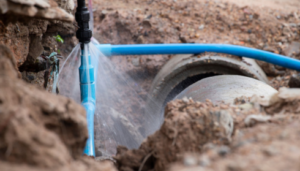
Professional water line repair becomes important in situations like these because underground leaks rarely stay isolated. Water slowly shifts soil, weakens surrounding materials, and sometimes even affects foundations if left unresolved long enough.
And honestly, the earlier a leak gets addressed, the less disruptive the repair process usually becomes.
Commercial Buildings Depend Heavily on Water Access
Residential plumbing issues are stressful enough. Commercial properties, though, face an entirely different level of urgency when water systems fail.
Restaurants, office buildings, retail centers, hotels, and industrial facilities all rely on consistent water access to stay operational. A problem affecting a commercial water line can interrupt daily business activities surprisingly fast.
Bathrooms stop functioning properly. Kitchens lose water access. Cleaning systems shut down. In some cases, businesses may temporarily close altogether until repairs are completed.
And unlike homeowners, commercial property managers often have to think beyond convenience. Water disruptions can affect employees, customers, sanitation requirements, and operational schedules simultaneously.
That’s why commercial plumbing infrastructure typically requires more planning, stronger materials, and ongoing preventative maintenance compared to standard residential systems.
The workload placed on commercial systems is simply much heavier day after day.
Underground Problems Are Often Hard to Detect
One of the frustrating parts about underground plumbing issues is how invisible they remain initially.
Pipes buried beneath parking lots, sidewalks, or landscaping can deteriorate quietly for years before noticeable symptoms appear above ground. Soil conditions, corrosion, shifting temperatures, and tree root intrusion all slowly affect underground systems over time.
And honestly, people usually notice secondary symptoms before realizing the actual problem is underground.
Low pressure. Unexplained puddles. Cracks in pavement. Rising water bills. Odd sounds inside pipes. These clues often point toward hidden infrastructure damage beneath the surface.
Modern inspection technology has improved the situation significantly, thankfully. Camera inspections, acoustic leak detection, and pressure testing now help plumbers locate issues with much greater accuracy than older methods allowed.
That matters because unnecessary excavation is expensive, messy, and disruptive for both residential and commercial properties.
Repairing Pipelines Requires More Than Just Digging
There’s a common assumption that underground repairs simply involve digging a trench and replacing damaged pipe. Sometimes that’s true. But modern pipeline repair methods are often far more strategic than people realize.
In many cases, trenchless repair technology allows damaged sections to be repaired or relined with far less disruption to surrounding property. That means fewer torn-up driveways, sidewalks, parking areas, or landscaping features afterward.
And for busy commercial properties especially, minimizing disruption matters a lot.
Imagine shutting down access to part of a shopping center or office complex for extended excavation work. Businesses understandably want repairs completed efficiently while keeping operations as normal as possible.
That’s why proper diagnosis before repairs begin is so important. Understanding the exact location and cause of the problem often saves both time and money later.
Older Infrastructure Needs More Attention
There’s something many property owners underestimate: water infrastructure ages even when everything appears fine from the outside.
Older pipes gradually weaken from internal corrosion, mineral buildup, pressure changes, and environmental conditions underground. Materials used decades ago weren’t always designed to handle modern usage demands or shifting environmental conditions over long periods.
And unfortunately, underground deterioration usually happens slowly enough that people adapt to early symptoms without realizing it.
Water pressure decreases become “normal.” Minor leaks get postponed. Strange noises are ignored because they’ve existed for years.
Until suddenly there’s a larger failure nobody can comfortably postpone anymore.
Reliable Water Systems Create Invisible Comfort
At the end of the day, the best plumbing infrastructure is usually the kind nobody notices.
Water arrives consistently. Pressure feels stable. Buildings operate normally. Landscapes stay dry where they should. Life and business continue without interruption because hidden systems beneath the property quietly keep everything moving.
And maybe that’s what makes water infrastructure so underrated. It supports nearly every part of modern living while staying completely out of sight most of the time.
Until something stops working.
Then suddenly everyone realizes how much comfort, productivity, and routine depended on those underground systems all along.
Honestly, invisible reliability may not sound exciting, but it’s one of the most valuable things any property can have.