Office water is one of those things nobody talks about much until it becomes annoying. The big bottle runs empty during a busy afternoon. Someone forgets to order replacements. Empty jugs sit in the corner longer than they should. Or the breakroom looks cluttered because water storage has taken over half the available space.
It seems like a small problem, and in a way it is. But small office problems have a habit of becoming daily frustrations. People want a clean cup of water, hot tea, or coffee without thinking about deliveries, lifting bottles, or whether the cooler has been wiped down recently.
Why Offices Are Moving Away from Bottled Coolers
Traditional bottled coolers have been around for years, and they do the job reasonably well. Still, they come with hidden inconveniences. Bottles are heavy. Deliveries must be scheduled. Storage takes space. Empty containers need to be collected. And when a bottle runs out, someone has to lift and flip a full one onto the dispenser, which is not exactly everyone’s favorite office task.
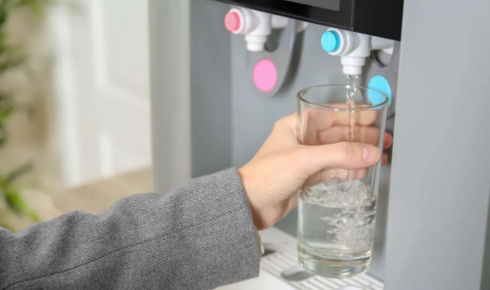
That is why many workplaces now consider bottleless water coolers as a cleaner, more practical option. These units connect directly to a building’s water line and use built-in filtration to provide drinking water without the need for large plastic jugs. It feels like a small change at first, but over time, the convenience is hard to ignore.
Cleaner Water Makes a Better Breakroom
A breakroom does not have to be fancy to feel welcoming. Good coffee, clean counters, a working fridge, and dependable water go a long way. When employees can refill bottles or make tea easily, the space becomes more useful and less frustrating.
Water quality also affects taste. If tap water has a chlorine smell, flat taste, or mineral-heavy flavor, people may avoid drinking it. They might buy bottled water or bring drinks from outside, which adds cost and clutter. A filtered cooler can help make water taste fresher, encouraging better hydration throughout the workday.
Office Needs Are Different from Home Needs
Workplaces use water differently than households. A small office may only need a basic cooler for employees and visitors. A larger workplace, medical office, warehouse, school, gym, or customer-facing business may need stronger capacity, faster dispensing, hot and cold options, or multiple units in different areas.
This is where office water systems need to be chosen carefully. The right system should match employee count, daily usage, available plumbing, breakroom layout, and maintenance expectations. An undersized unit can feel slow or inconvenient, while an oversized one may cost more than necessary.
The Value of Filtered Drinking Water at Work
Good filtered drinking water is more than a perk. It supports comfort, focus, and everyday wellness in a quiet way. Employees who have easy access to better-tasting water are more likely to refill a cup or bottle during the day. Visitors and clients also notice when a business offers clean, convenient refreshments.
There is also a practical benefit for coffee and tea. Better water can improve the taste of brewed drinks, reduce unpleasant odors, and make the whole breakroom feel more polished. Nobody wants office coffee that tastes like old pipes or chlorine.
Less Plastic, Less Storage, Less Hassle
One of the strongest reasons to switch away from bottled coolers is simplicity. Without heavy jugs, there is less storage to manage and fewer deliveries to coordinate. The office no longer needs a pile of full bottles waiting in a corner or empty ones stacked near the door.
Bottleless units can also reduce single-use plastic and delivery-related waste. For businesses trying to make more sustainable choices, this is a practical step that employees can actually see and use every day. It is not a dramatic sustainability campaign. It is just a smarter way to handle something the office already needs.
Installation and Maintenance Still Matter
A bottleless cooler should be installed properly. It needs a water connection, correct placement, and sometimes a drain depending on the unit. Professional installation helps prevent leaks, pressure issues, or awkward placement that makes the cooler hard to use.
Maintenance is just as important. Filters need to be replaced on schedule, surfaces should be cleaned, and the unit should be checked periodically. A good service plan can make this easy, so office managers do not have to remember every filter date themselves.
Choosing the Right Cooler
Before choosing a system, think about how the office actually works. How many people use the breakroom? Do they need cold water only, or hot water for tea and instant drinks? Is there enough space near a water line? Would multiple smaller units work better than one large station?
It also helps to ask about filter type, replacement schedule, cooling capacity, sanitation features, and service support. The best system is not always the most expensive one. It is the one that fits the office without creating extra work.
A Small Upgrade People Use Every Day
Better office water may not sound exciting, but employees notice it. They notice when the cooler is easy to use, when the water tastes fresh, and when nobody has to wrestle with a heavy bottle anymore.
In the end, a bottleless cooler is about making a basic workplace need simpler. Clean water, less clutter, fewer deliveries, and a breakroom that works a little better. It is not flashy, but it is practical — and practical improvements are often the ones people appreciate most.