A water softener is one of those home systems that does its best work quietly. It doesn’t ask for much attention. It sits in a garage, utility room, or basement, softening water while everyone else gets on with life. You notice it mostly when it stops doing its job — when dishes get spotty again, towels feel stiff, or the shower leaves your skin feeling dry.
The good news is that many softener issues are preventable. You don’t need to become a water treatment expert or spend every weekend fussing over equipment. A few simple habits can help keep the system running properly and make daily water use feel easier.
Start With the Salt Level
Salt is the fuel behind most traditional water softeners. Without enough salt, the system cannot make the brine it needs to clean and recharge the resin beads. Once that happens, hard water may start moving through the home again. Read also: A Backyard Full of Water, and What It Teaches You About Care.
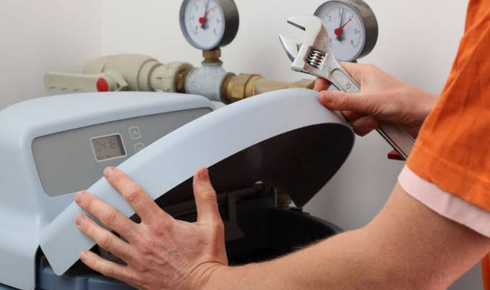
Basic DIY water softener maintenance usually begins with checking the salt tank. The salt should stay above the water level, but the tank doesn’t need to be packed to the very top. Keeping it around half-full is often a practical habit for many households.
It’s also worth looking for salt bridges. A salt bridge is a hard crust that forms inside the tank, making it look full even when the salt underneath is not dissolving properly.
Use the Right Salt
Not all softener salt behaves the same. Higher-quality pellets or crystals usually leave less residue in the brine tank. Cheaper salt can sometimes create mush, buildup, or bridging at the bottom of the tank.
That doesn’t mean you need the most expensive bag on the shelf every time. But if your softener keeps clogging or forming crusty layers, the salt quality may be part of the problem. Clean salt helps the brine tank do its job with less mess.
Give the Brine Tank a Look
The brine tank is easy to ignore because it’s not very exciting. Still, it deserves a quick inspection from time to time. If you see thick sludge, salt mush, or unusual standing water, something may be off. Read also: Why Whole-Home Water Filtration Can Make Everyday Life Better.
Good system care includes cleaning the brine tank occasionally, especially if residue builds up. For many homes, this doesn’t need to happen often, but ignoring years of buildup can reduce performance.
Before cleaning, it’s smart to check the manufacturer’s instructions or ask a professional if you’re unsure. Every system is a little different, and nobody wants to accidentally damage a working unit.
Watch for Changes in Water Feel
Your home will usually tell you when the softener needs attention. Soap may stop lathering well. Shower water may feel different. Glassware may show cloudy spots. Laundry may come out rougher than usual. Faucets may start collecting white mineral buildup again. Read also: Why Modern Water Heating Can Make Everyday Life Easier.
These are simple but useful homeowner tips: pay attention to small changes before they become bigger problems. If the salt tank is full but hard water signs return, the issue may be a bridge, clogged line, worn resin, or incorrect settings.
Catching these clues early can save time, money, and plenty of frustration.
Check the Settings After Changes
Water softeners are often programmed based on water hardness and household usage. But life changes. Maybe more people move into the home. Maybe a new bathroom is added. Maybe laundry loads increase. When water use changes, the softener settings may need adjustment.
If the system regenerates too often, it may waste salt and water. If it regenerates too rarely, hard water may slip through. Demand-based softeners handle this better than older timer-based models, but even smart systems benefit from correct setup.
Don’t Ignore the Bypass Valve
The bypass valve controls whether water flows through the softener or around it. Sometimes it gets moved during plumbing work, filter changes, or service visits. If the valve is accidentally left in bypass mode, the softener may be completely skipped. Read also: Understanding Your Home’s Water: Why Better Water Starts with Better Decisions.
If hard water suddenly appears everywhere, checking the bypass valve is a simple first step. It sounds almost too basic, but it happens.
Know When to Call a Professional
DIY care is helpful, but it has limits. If the softener keeps using too much salt, won’t regenerate, leaks, makes unusual noises, or still delivers hard water after basic checks, it’s time for service.
A technician can test the water, inspect the resin, check the brine draw, review valve settings, and look for worn parts. Sometimes a small repair gets the system back on track. Other times, an older unit may need replacement. Read also: Why Smart Water Treatment Is Becoming Essential for Commercial and Industrial Facilities.
A Simple Routine Makes Water Better
A water softener doesn’t need daily attention. It just needs reasonable care. Check salt levels, look for bridges, use decent salt, watch for changes in water quality, and keep the system settings matched to the home’s needs.
Those small habits help protect plumbing, appliances, fixtures, and everyday comfort. Softer water makes cleaning easier, showers nicer, and laundry better. And when the softener is cared for properly, it can keep doing its quiet work for years without much drama.