Water doesn’t usually get much attention when a business is running smoothly. Employees wash their hands, equipment operates as expected, cooling systems stay efficient, and production continues without interruption. It all feels routine—until water quality starts creating problems.
Scaling inside pipes, equipment breakdowns, inconsistent production quality, rising maintenance costs, or unexpected downtime often have one thing in common: untreated or poorly managed water. It’s easy to overlook because the effects tend to build gradually. But over time, those small issues become expensive ones.
Whether it’s a manufacturing facility, healthcare center, food processing plant, hotel, office complex, or warehouse, investing in the right water treatment strategy is no longer simply about compliance. It’s about protecting equipment, improving efficiency, and ensuring long-term business performance.
Water Quality Impacts More Than You Think
Many businesses focus on machinery, staffing, and production while giving little thought to the water moving through their systems every day.
Yet water touches almost everything.
It cools equipment, generates steam, cleans surfaces, supports manufacturing processes, supplies drinking water, and protects plumbing infrastructure. When water contains excessive minerals, sediment, iron, chlorine, bacteria, or dissolved solids, those contaminants don’t simply disappear—they affect every connected system.
Sometimes the consequences appear slowly. Other times, the problems become obvious almost overnight.
Either way, prevention is almost always less expensive than repair.
Every Industry Faces Different Challenges
There isn’t one perfect treatment solution for every facility.
A food processing plant has very different requirements than an office building. Hospitals demand exceptional water quality, while manufacturing facilities may focus on protecting boilers, cooling towers, and production equipment.
Some of the most common industries using advanced treatment include:
- Manufacturing plants
- Hotels and resorts
- Healthcare facilities
- Educational campuses
- Food and beverage production
- Commercial office buildings
- Warehouses
- Agricultural operations
- Pharmaceutical facilities
Each environment requires equipment designed around its unique operating conditions.
Choosing the Right commercial industrial water treatment solutions
The best treatment systems don’t simply remove contaminants—they solve specific operational challenges.
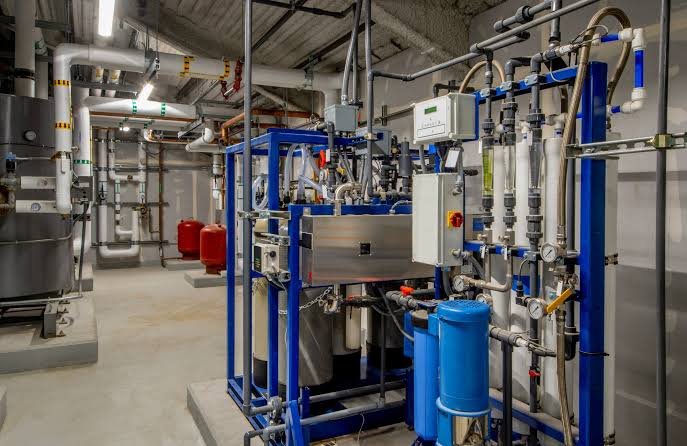
Modern commercial industrial water treatment solutions are designed to improve efficiency while protecting expensive infrastructure from scale buildup, corrosion, sediment accumulation, and biological contamination.
Depending on facility requirements, treatment may include:
- Water softening
- Reverse osmosis
- Carbon filtration
- UV disinfection
- Iron removal
- Chemical dosing
- Deionization systems
- Sediment filtration
Rather than relying on one universal approach, successful systems are customized to match water conditions and operational goals.
That’s where long-term value begins.
Why Equipment Protection Saves More Than Money
Industrial equipment represents a major investment.
Boilers, chillers, cooling towers, pumps, heat exchangers, and processing equipment all depend on clean water for reliable operation. Even minor mineral deposits reduce efficiency over time.
Scale acts like insulation inside pipes and heat transfer equipment, forcing machinery to consume more energy while delivering lower performance.
Eventually, maintenance costs increase, breakdowns become more frequent, and equipment lifespan shortens considerably.
Good water treatment helps interrupt that cycle before it becomes expensive.
Improving Efficiency Through Better commercial water treatment
Many businesses initially invest in commercial water treatment because of a specific problem, such as hard water or recurring maintenance.
What often surprises them is how many additional benefits follow.
Proper treatment can improve equipment efficiency, reduce cleaning requirements, lower chemical usage, extend equipment life, improve product consistency, reduce unexpected downtime, and even decrease overall operating expenses.
These improvements may seem gradual, but over several years they often produce significant financial returns.
Water treatment isn’t simply another operating expense—it frequently becomes an investment that pays for itself.
Maintenance Becomes More Predictable
Unexpected shutdowns are frustrating.
Planned maintenance is far easier to manage than emergency repairs that interrupt production or business operations.
Water treatment helps reduce scaling, corrosion, and contamination, allowing maintenance teams to schedule inspections and servicing more effectively instead of constantly responding to equipment failures.
Predictability creates confidence, and confidence supports smoother business operations.
For facilities operating around the clock, that’s a valuable advantage.
Monitoring Water Quality Matters
Installing treatment equipment isn’t the end of the process.
Water conditions can change throughout the year depending on municipal supplies, seasonal groundwater changes, rainfall, or industrial demand.
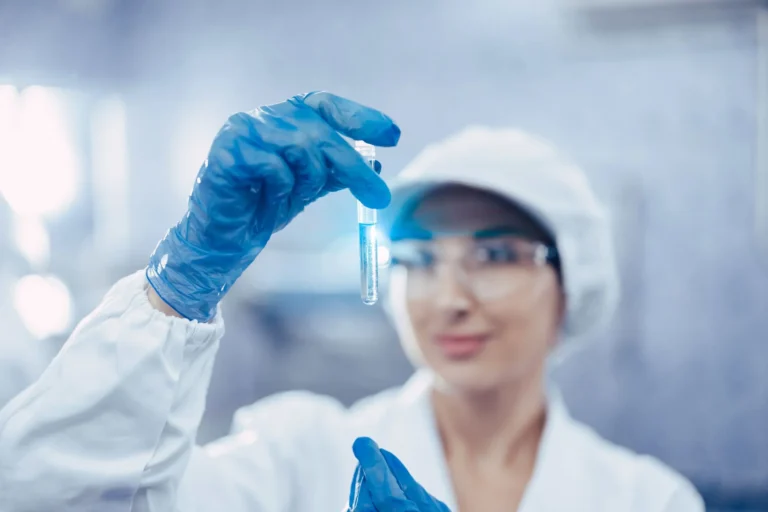
Routine monitoring allows businesses to identify small changes before they affect production.
Regular testing often includes:
- Hardness levels
- Total dissolved solids (TDS)
- Iron content
- pH balance
- Chlorine concentration
- Bacterial activity
- Conductivity
- Flow performance
Consistent monitoring ensures treatment systems continue performing as intended while avoiding unnecessary operating costs.
Modern commercial systems Offer Greater Flexibility
Technology has transformed today’s commercial systems.
Many modern treatment solutions include automated monitoring, digital controls, remote diagnostics, energy-efficient operation, and modular designs that can expand alongside growing businesses.
Instead of replacing entire systems during facility expansion, businesses can often upgrade existing equipment with additional treatment stages or increased capacity.
That flexibility helps organizations adapt without starting over from scratch.
It’s a practical approach that supports both current operations and future growth.
Sustainability Is Becoming a Business Priority
Water conservation has become more than an environmental goal.
Reducing water waste, lowering energy consumption, minimizing chemical usage, and extending equipment lifespan all contribute to more sustainable operations.
Many organizations also face increasing regulatory expectations related to environmental responsibility.
Efficient treatment systems help businesses meet those expectations while improving operational performance at the same time.
That’s one reason water treatment continues to gain importance across nearly every commercial sector.
Selecting the Right Partner Matters
No two facilities have identical water conditions.
A professional assessment considers water source, daily demand, operational processes, equipment requirements, future expansion, and maintenance expectations before recommending a treatment solution.
This customized approach often delivers better performance than purchasing standardized equipment without understanding the facility’s actual needs.
The right provider doesn’t simply install equipment—they help build a long-term strategy for water management.
Final Thoughts
Clean, properly treated water quietly supports nearly every aspect of commercial and industrial operations. From protecting expensive equipment and reducing maintenance costs to improving efficiency and supporting regulatory compliance, effective treatment delivers value that extends far beyond cleaner water.
Businesses that invest in thoughtful water management often experience fewer operational disruptions, lower long-term costs, and greater confidence in the reliability of their infrastructure.
In the end, successful water treatment isn’t about reacting to problems after they appear. It’s about preventing them in the first place—and that’s a strategy every growing business can appreciate.