There’s a point in every business where the small things start to matter more than expected. Not the flashy, headline-making decisions—but the quiet, behind-the-scenes details that keep everything running.
Water is one of those details.
Most businesses don’t think about it much at the beginning. It’s just there—flowing through taps, running equipment, supporting daily operations. But over time, patterns emerge. Drinks don’t taste consistent. Equipment needs maintenance more often. Cleaning takes longer than it should. Read also: When Water Quality Becomes a Business Priority, Not Just a Utility.
And slowly, water stops being invisible.
The Role Water Plays in Everyday Business
Think about how often water shows up in a business environment. Restaurants rely on it for cooking and beverages. Hotels use it in laundry and guest services. Offices depend on it for basic hygiene and comfort.
It’s not just a utility—it’s part of the experience.
And when something’s off, customers notice. Maybe not consciously, but enough to feel that something isn’t quite right. A cup of coffee that tastes slightly different. Glassware that doesn’t sparkle. Showers that feel less than refreshing. Read also: When Water Stops Feeling Simple: Understanding the Systems Behind Everyday Flow.
These small inconsistencies can quietly shape how people perceive your business.
When Consistency Becomes a Priority
At some point, business owners begin looking for ways to eliminate those inconsistencies. Not because something is broken, but because there’s room for improvement.
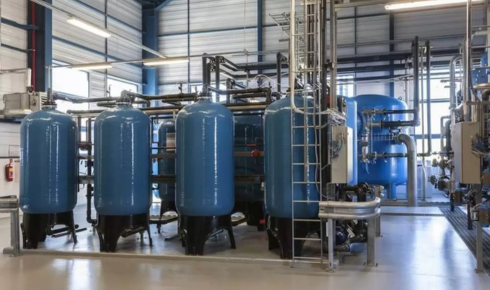
That’s where commercial water systems come into the picture. These systems are designed to handle higher demand while maintaining consistent quality across multiple uses.
It’s not just about volume—it’s about reliability. Ensuring that every glass served, every dish cleaned, every process completed meets the same standard, every time.
And in business, consistency is everything.
The Cost of Overlooking Water Quality
Ignoring water issues doesn’t always lead to immediate problems. But over time, the effects become harder to ignore.
Mineral buildup can reduce the efficiency of equipment. Dishwashers and coffee machines may require more frequent servicing. Laundry systems can lose effectiveness. Even plumbing can suffer under constant exposure to untreated water. Read also: Why Water Quality Quietly Shapes the Reputation of a Business.
These aren’t dramatic failures—they’re gradual inefficiencies. But they add up. In maintenance costs, downtime, and lost productivity.
That’s why many businesses start evaluating their business water systems as part of a broader operational strategy. It’s not just about improving quality—it’s about protecting investments and reducing long-term expenses.
Beyond Functionality: Enhancing the Customer Experience
There’s another layer to this conversation that often gets overlooked—the customer experience.
In hospitality, for example, water quality directly affects how guests feel. A hotel stay isn’t just about the room—it’s about the shower, the drinking water, the overall sense of comfort. Read also: When Your Home Starts Listening: The Quiet Rise of Smarter Water Awareness.
In food service, water influences taste more than most people realize. From soups to coffee, it plays a role in flavor and consistency.
Improving water isn’t just a technical upgrade. It’s a subtle way to elevate the entire experience without drawing attention to it.
Finding the Right Fit for Your Business
Not every business needs the same solution. A small café has different requirements than a large manufacturing facility. Even within the same industry, needs can vary.
That’s why choosing the right water systems requires a bit of understanding. What are your main challenges? Is it taste, scale buildup, equipment efficiency?
Once you identify those factors, the options become clearer. The goal isn’t to install the most advanced system available—it’s to implement something that fits your specific operations. Read also: When Your Water Changes, Your Whole Home Feels It.
And when it fits, it works quietly in the background, without disrupting your workflow.
The Quiet Benefits That Add Up
One of the most interesting things about improving water quality in a business is how the benefits extend beyond the obvious.
Equipment lasts longer. Maintenance becomes less frequent. Staff spend less time dealing with avoidable issues. Even energy efficiency can improve in some cases.
These aren’t headline-grabbing changes. But they create a smoother, more predictable operation.
And in business, predictability is valuable.
A Different Way to Think About Water
Water isn’t just a supporting element—it’s part of the foundation. It influences processes, experiences, and outcomes in ways that aren’t always visible at first.
Once you start paying attention, it becomes clear that improving water quality isn’t an optional upgrade—it’s a strategic decision.
Not because something is wrong, but because something could be better.
A Final Thought
At the end of the day, businesses succeed by getting the details right. The small things, the consistent things, the things that quietly support everything else.
Water is one of those details.
And sometimes, the smartest improvements aren’t the ones customers notice immediately—they’re the ones that make everything else work just a little bit better.