There was a time when water at home meant one thing—turn the tap, fill a glass, move on. Simple, predictable, and honestly, something we barely thought about.
But somewhere along the way, that simplicity got complicated. Taste started to matter more. Consistency became a question. And suddenly, people weren’t just drinking water—they were thinking about it.
Not in a dramatic, obsessive way. Just… a quiet awareness that what we drink every day should probably feel right.
When “Good Enough” Stops Feeling Good Enough
For a long time, I didn’t question my water. It was clear, it didn’t smell, and that was enough. Or at least, I thought it was. Read also: The Part of Better Water Most Homeowners Forget About.
Then small things started creeping in. A slight aftertaste. Coffee that didn’t quite hit the same. Even the way water felt in a glass—hard to explain, but noticeable.
It wasn’t bad. Just not… satisfying.
That’s when I realized that drinking water isn’t just about safety—it’s about experience. And once you notice that difference, it’s hard to go back to not caring.
The Rise of Alternatives (and Why They Make Sense)
Naturally, the first instinct for many people is to switch to bottled options. It feels like a quick fix—sealed, consistent, easy to trust. Read also: When Your Water Starts Telling a Story You Didn’t Expect.
And to be fair, there’s a certain comfort in relying on bottled quality water. You know what you’re getting. The taste is predictable. It removes the guesswork.
But over time, the downsides start to show. The cost builds up. Storage becomes a juggling act. And let’s not even get into the hassle of lifting and replacing bottles.
At some point, convenience starts turning into effort again.
A Shift Toward Simplicity
That’s where newer solutions start to feel appealing. Not because they’re flashy, but because they simplify things.
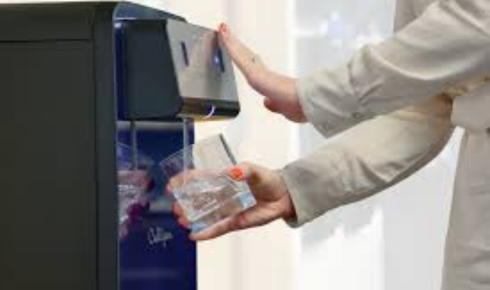
I remember the first time I heard about bottleless water coolers. The idea sounded almost too straightforward—connect a system directly to your water supply, filter it, and have clean water on demand.
No bottles. No deliveries. No running out unexpectedly.
At first, I was skeptical. It felt like one of those things that sounds better in theory than in practice. But the more I looked into it, the more it made sense.
It wasn’t about replacing water—it was about improving access to it.
The Experience You Don’t Expect
What surprised me most wasn’t the technology behind it. It was how quickly it became part of daily life.
Water was just… there. Always available, always consistent. No mental checklist, no planning ahead.
And oddly enough, I started drinking more water without even trying. Not because I set a goal, but because it was easier. Accessible. Effortless.
It’s one of those changes that feels small on paper but shows up in your routine in a very real way.
Convenience vs. Control
One of the interesting things about this shift is how it balances convenience with control.
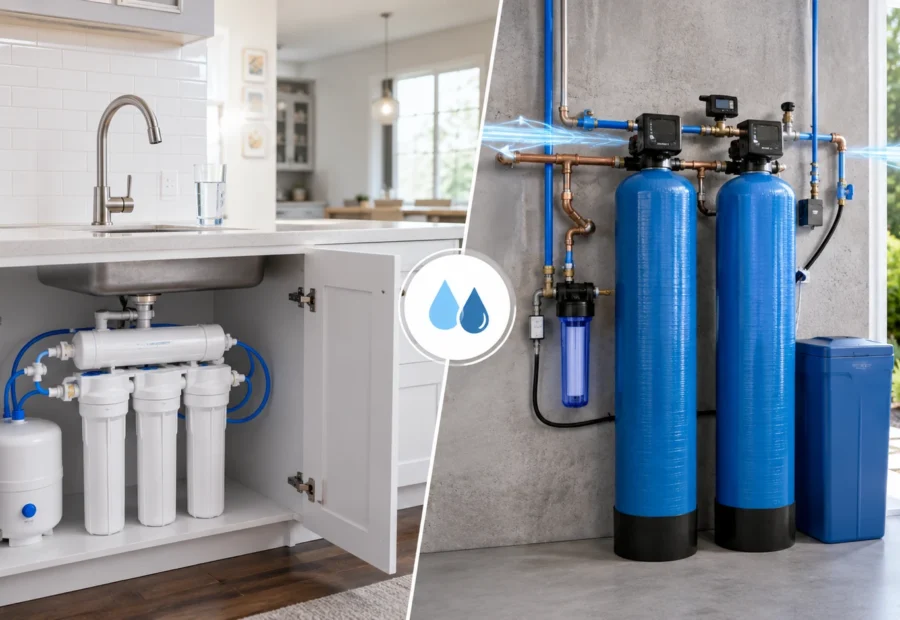
With bottled water, you’re relying on an external source. With tap water, you’re relying on infrastructure you don’t control. But with a system that filters water directly at home, you’re somewhere in the middle. Read also: What’s Really in Your Glass? A Calm, Honest Look at the Water We Drink.
You’re still using your existing supply, but you’re refining it. Improving it. Making it work better for you.
And that sense of control? It’s subtle, but it matters.
What to Actually Consider Before Switching
Of course, no solution is perfect for everyone. It depends on your space, your usage, your priorities.
Some people prefer the simplicity of bottled options. Others are happy with their tap water as it is. And that’s fine.
But if you’re someone who values consistency and ease, it’s worth exploring alternatives. Not because you need to overhaul everything, but because small adjustments can make daily life smoother. Read also: Why Whole-Home Water Filtration Can Make Everyday Life Better.
Think about how often you use water. How easily you can access it. Whether your current setup feels like it’s helping or holding you back.
The answers to those questions usually point you in the right direction.
A Quiet Change That Sticks
What I’ve realized over time is that water isn’t something you should have to think about constantly.
It should just work.
When it doesn’t, even slightly, it adds friction to your day. A small inconvenience here, a minor frustration there. Nothing major, but enough to notice.
And when you fix that—when water becomes effortless again—you feel it. Not in a big, dramatic way, but in the quiet flow of your routine.
A Thought to Leave You With
We tend to focus on big upgrades—new appliances, better furniture, smarter tech. But sometimes, it’s the simplest systems that shape our daily experience the most. Read also: Why Modern Water Heating Can Make Everyday Life Easier.
Water is one of them.
So if you’ve ever had that moment—standing at the sink, taking a sip, and wondering if it could be better—it probably can.
And the best part? The solution doesn’t have to be complicated.
Sometimes, it’s just about making water feel right again.