Hot water is one of those comforts you don’t fully appreciate until you suddenly don’t have enough of it. A morning shower turns cold halfway through, someone starts the dishwasher, and suddenly the whole household is negotiating who gets the next bit of hot water. It sounds minor, but when it happens regularly, it gets old pretty fast.
Modern water-heating technology has changed the way homes and businesses approach this problem. Instead of relying only on large storage tanks, many systems now focus on heating water more efficiently and delivering it when it is actually needed. The result can be a more convenient, compact, and energy-conscious setup.
The Appeal of Having Hot Water When You Need It
Traditional tank water heaters store a certain amount of heated water. That approach works, but there’s a limit to how much water is available at one time. Read also: Why Whole-Home Water Filtration Can Make Everyday Life Better.
Tankless systems take a different approach. Rather than constantly keeping a large tank of water hot, they heat water as it passes through the unit when there is demand.
For households with appropriate sizing and installation, this can provide Endless Hot Water during normal use. You aren’t relying on a fixed tank that eventually runs out.
Of course, “endless” doesn’t mean unlimited flow. A system still has a maximum capacity, and several high-demand fixtures running simultaneously can challenge an undersized unit. Proper sizing is the important part.
How Tankless Heating Works
The basic idea is fairly straightforward.
When you turn on a hot-water tap, the system detects the flow and activates its heating mechanism. Water then passes through a heat exchanger where it is heated before reaching the faucet. Read also: A Well-Cared-for Water System Makes Everyday Life Easier.
Once the tap is turned off, the system stops heating.
There’s no large reservoir sitting there waiting to be used. This on-demand design is one reason tankless systems have become popular in homes, apartments, and certain commercial applications.
Still, installation isn’t quite as simple as swapping one box for another. Gas-powered systems may need appropriate venting, while electric models can have substantial electrical requirements. A professional assessment is important. Read also: Why Convenient Access to Clean Water Has Become Part of Everyday Life.
Potential Energy Savings
A traditional storage heater can lose some heat while water sits inside the tank. This is commonly referred to as standby heat loss.
Because tankless systems generally heat water only when it is needed, they can reduce this type of energy loss. Depending on usage patterns, system type, and installation, homeowners may see Improved Energy Efficiency compared with older conventional equipment.
The actual savings will vary, though. Household habits matter. If a family uses large amounts of hot water throughout the day, the benefits may differ from those in a home with relatively low demand.
That’s why energy efficiency should be considered alongside capacity and installation cost rather than treated as the only deciding factor.
A Smaller Footprint Can Be Helpful
Traditional storage tanks can take up a surprising amount of space, especially in smaller homes, apartments, or utility closets.
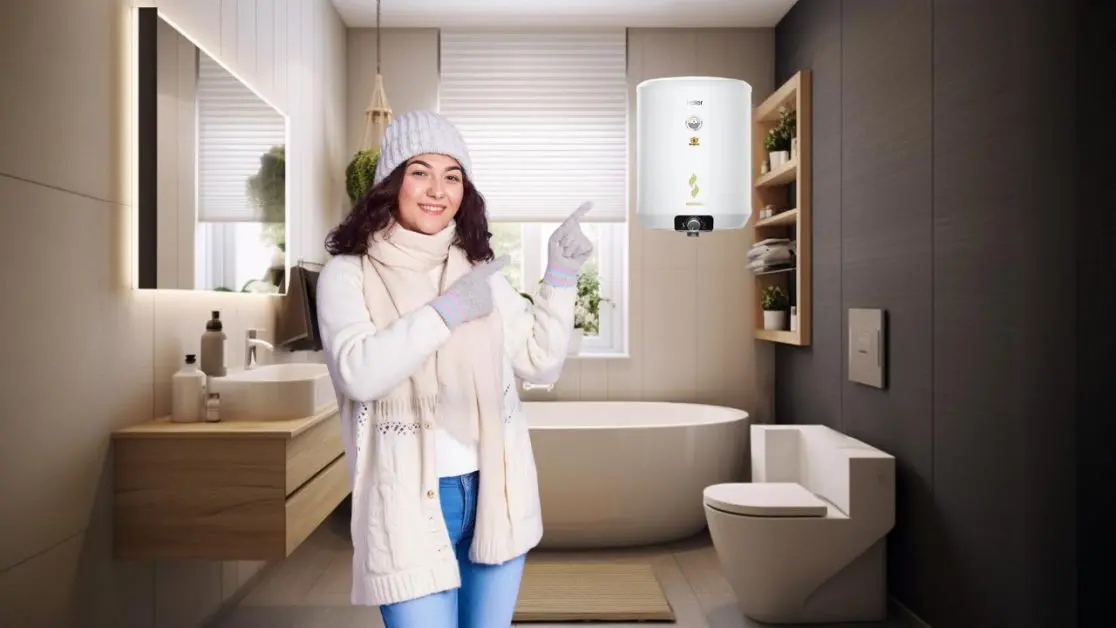
Many tankless units are mounted on a wall, freeing up floor space. Their Space Saving Design can be particularly useful where every square foot matters.
Imagine replacing a large cylindrical tank in a cramped utility area with a compact wall-mounted unit. That doesn’t magically create another room, of course, but it can make the space easier to access and use. Read also: A Glass You Don’t Question: Why Good Water Changes Everyday Life.
For renovations, this can be a worthwhile advantage.
Sizing Is More Important Than People Think
Buying a tankless water heater isn’t simply a matter of choosing the smallest model that fits your budget.
The system needs to handle the expected flow rate and temperature rise. If several fixtures may operate at the same time, the heater must be capable of meeting that demand.
A household with one bathroom has different needs from a large family with several bathrooms. A restaurant, hotel, or commercial facility has an entirely different usage pattern.
Oversizing can increase upfront costs unnecessarily, while undersizing may result in disappointing performance.
Professional sizing helps avoid both problems.
Installation Deserves Proper Attention
Water heating equipment involves plumbing, electricity or gas, and sometimes ventilation. This isn’t really the place for shortcuts.
A qualified installer can evaluate existing connections, fuel supply, electrical capacity, water pressure, venting requirements, and the location of the unit.
For replacement projects, the condition of existing plumbing should also be considered. Sometimes the heater isn’t the only component that needs attention.
Good installation can make a major difference in reliability and long-term performance.
Maintenance Still Matters
Tankless doesn’t mean maintenance-free.
Depending on the water chemistry, mineral deposits can accumulate inside the heat exchanger. Hard water can be particularly challenging because scale may develop more quickly.
Periodic flushing or descaling may be recommended, especially in areas with high mineral content. Filters, valves, and other components may also require inspection.
Following the manufacturer’s maintenance recommendations can help protect the system and keep it operating as intended.
Skipping maintenance might not cause an immediate failure, but problems can build quietly.
What About the Initial Cost?
Tankless systems can have higher upfront installation costs than some conventional water heaters.
That doesn’t automatically make them a bad investment. Look at the entire picture, including energy use, available space, expected lifespan, maintenance, and household demand.
A system that costs more initially but fits your needs well may provide better value over many years.
On the other hand, if a conventional tank already meets your needs and replacement costs are much lower, switching technologies may not always make financial sense.
There isn’t one perfect answer for every property.
Choosing a System That Fits Your Lifestyle
The best water heater is the one that works with the way you actually use hot water.
Consider how many people live or work in the building, how many fixtures may operate simultaneously, the available fuel or electrical supply, water hardness, installation space, and your long-term plans for the property. Read also: Why Understanding Your Water Is the Smartest Home Improvement You Can Make.
Don’t choose based solely on a catchy feature or the promise of massive savings.
Ask questions. Compare operating requirements. Understand maintenance needs. And have the system properly sized before installation.
A Better Hot-Water Experience
Modern water-heating systems can offer some genuinely useful advantages: on-demand hot water, potentially lower standby energy losses, and a smaller physical footprint.
But technology alone doesn’t guarantee a good result.
The system needs to be correctly selected, properly installed, and maintained over time. When those pieces line up, the difference can be noticeable in everyday life. Hot water becomes something you simply expect to be there rather than something you have to plan around.
And really, that’s what good home equipment should do — quietly make life easier without constantly reminding you that it’s there.