There’s something oddly comforting about the sound of a washing machine doing its job. It hums, spins, rinses—it’s all part of the background noise of a functioning home. You don’t think much about it, honestly.
Until one day, it doesn’t sound quite right.
Or worse, it stops working the way it should. And suddenly, a routine task turns into something you have to think about, plan around, and maybe even stress over a little.
The Small Signs We Often Overlook
Most washer problems don’t arrive dramatically. They build slowly, almost politely. A cycle that takes longer than usual. Clothes that come out wetter than expected. Maybe a slight vibration you hadn’t noticed before. Read also: When the Pipes Start Telling Their Story: A Real Look at Repiping and What It Means for Your Home.
At first, it’s easy to ignore. Life’s busy, after all. You assume it’s just a one-off thing.
But these small signals are usually the machine’s way of saying something isn’t quite right. And if you catch them early, you can often avoid bigger issues later on.
When Water Shows Up Where It Shouldn’t
Few things grab your attention faster than water leakage. You walk into the laundry area and notice a damp floor, maybe even a small puddle forming underneath the machine.
It’s the kind of problem that feels urgent immediately—and for good reason.
Leaks can come from loose hoses, worn seals, or even cracks in internal components. Sometimes it’s a simple fix. Other times, it points to something deeper.
What makes leaks tricky is that they don’t just affect the washer. They can damage floors, walls, and nearby furniture if left unchecked. So while it might seem like just another appliance issue, it can quickly become something more serious.
The Frustration of Water That Won’t Drain
Then there are drainage problems—the kind that leave you standing there, staring at a drum full of water long after the cycle should have finished.
It’s frustrating, no doubt. You expect the washer to handle everything, and when it doesn’t, you’re left figuring out what to do next.
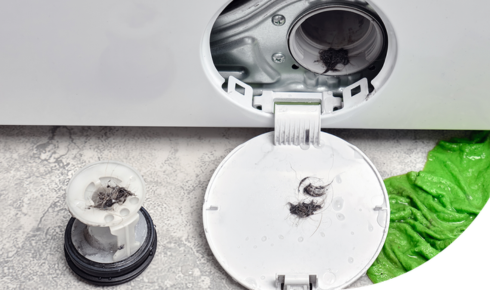
Drainage issues can be caused by clogged filters, blocked hoses, or even a malfunctioning pump. The tricky part is that the machine often doesn’t make it obvious what’s wrong.
And while it might seem manageable at first—just draining the water manually—it’s not a long-term solution. The problem tends to come back, usually at the worst possible time. Read also: When Your Home Starts Listening: The Quiet Rise of Smarter Water Awareness.
When the Spin Just Doesn’t Happen
Another common issue that catches people off guard is spin cycle failures. The washer runs, fills, drains—but when it’s time to spin, something goes wrong.
Clothes come out soaking wet, heavier than they should be. Drying takes longer, and the whole process feels incomplete.
Spin problems can be linked to load imbalance, motor issues, or even worn-out belts. Sometimes it’s as simple as redistributing the clothes. Other times, it’s a sign that something inside the machine isn’t functioning properly.
Either way, it’s not something you can ignore for long.
The Temptation to Wait It Out
There’s a natural tendency to wait. To see if the issue resolves itself. Maybe it was just a temporary glitch, you think.
But appliances don’t usually fix themselves.
In fact, waiting often makes things worse. A small issue can put extra strain on other components, leading to more damage over time. What could have been a quick fix turns into a more complicated repair. Read also: That Subtle Taste in Your Tap Water: What It Might Mean and What You Can Do.
Acting early isn’t about being overly cautious—it’s about being practical.
Trying to Fix It Yourself
Let’s be honest, most of us have tried to fix something at home at least once. A quick online search, a few tools, and suddenly it feels doable.
And sometimes, it is.
Cleaning filters, checking hoses, making sure everything is properly connected—these are simple steps that can solve minor issues. They’re worth trying.
But beyond that, things get complicated. Washing machines today are more advanced than they appear. There’s a lot happening inside, and one small mistake can lead to bigger problems. Read also: When Your Water Starts Telling a Story You Didn’t Expect.
It’s not about avoiding DIY altogether. It’s about knowing when to step back.
What Good Repair Feels Like
There’s something reassuring about a repair that’s done right. Not just fixed temporarily, but properly handled.
A good technician doesn’t rush. They take the time to understand the issue, explain what’s happening, and fix it in a way that lasts. You’re not left guessing or worrying about whether the problem will come back.
That kind of clarity makes a big difference.
Small Habits That Prevent Bigger Issues
Interestingly, many washer problems can be prevented with simple habits. Not overloading the machine, cleaning filters regularly, and checking pockets before washing—these small steps go a long way. Read also: What’s Really in Your Glass? A Calm, Honest Look at the Water We Drink.
It’s not about doing anything complicated. It’s about being a little more mindful of how the machine is used.
Over time, that awareness helps keep things running smoothly.
Final Thoughts: Keeping Your Routine Intact
At the end of the day, a washing machine is just one part of your home. But when it stops working properly, it reminds you how much you rely on it.
Fixing it isn’t just about the appliance—it’s about restoring your routine. Getting back to a flow that feels easy and predictable.
So when something feels off, don’t ignore it for too long. Pay attention, take action, and handle the issue before it grows into something bigger.
Because sometimes, the smallest disruptions are the easiest to fix—if you catch them in time.