There’s a particular kind of frustration that comes with a job that looks simple at first. Something needs moving, clearing, lifting, hauling, or sorting out, and you think, “I can probably handle this.” Then an hour passes. The tools aren’t right, the load is heavier than expected, and suddenly your Saturday afternoon has turned into a small logistical nightmare.
Most people have been there.
Whether it’s clearing bulky materials from a property, dealing with an awkward removal project, or tackling work that requires proper equipment, there’s a point where doing everything yourself stops being practical. Knowing when to bring in experienced help can save more than time. It can prevent property damage, unnecessary expense, and quite a bit of stress call grapple.
The Hidden Cost of Doing Everything Yourself
DIY has its place. Painting a room, assembling furniture, fixing a loose cabinet handle — those are jobs many homeowners can comfortably tackle.
Heavy-duty work is different.
The real cost isn’t always visible at the beginning. You might need to rent equipment, buy protective gear, arrange transportation, make several trips, or ask friends to give up part of their weekend. There’s also the physical side of it. Moving heavy or unusually shaped materials without the right technique can quickly turn an ordinary job into a painful one. Read also: Keeping Your Home Powered Safely: Why Professional Electrical Care Matters More Than Ever.
And then there’s time.
A professional crew may complete in a couple of hours what takes an inexperienced person most of a day. That doesn’t mean every task requires outside help, of course. It simply means the DIY option should be judged by the entire workload, not just the apparent simplicity of the first step.
Good Equipment Changes the Job Completely
One of the biggest differences between professional work and improvised work is equipment.
The right machinery, lifting tools, vehicles, straps, protective materials, and safety equipment can make an enormous difference. More importantly, experienced operators know how to use those tools efficiently without causing unnecessary damage around the work area.
Think about something as basic as moving a large, awkward object. Strength helps, sure, but planning matters more. Where will it go? Is there enough clearance? Can the flooring support the movement? Are stairs, fences, landscaping, vehicles, or nearby structures at risk? Read also: Water That Fits Where You Live: Why Local Insight Matters More Than You Think.
These are small questions until something goes wrong.
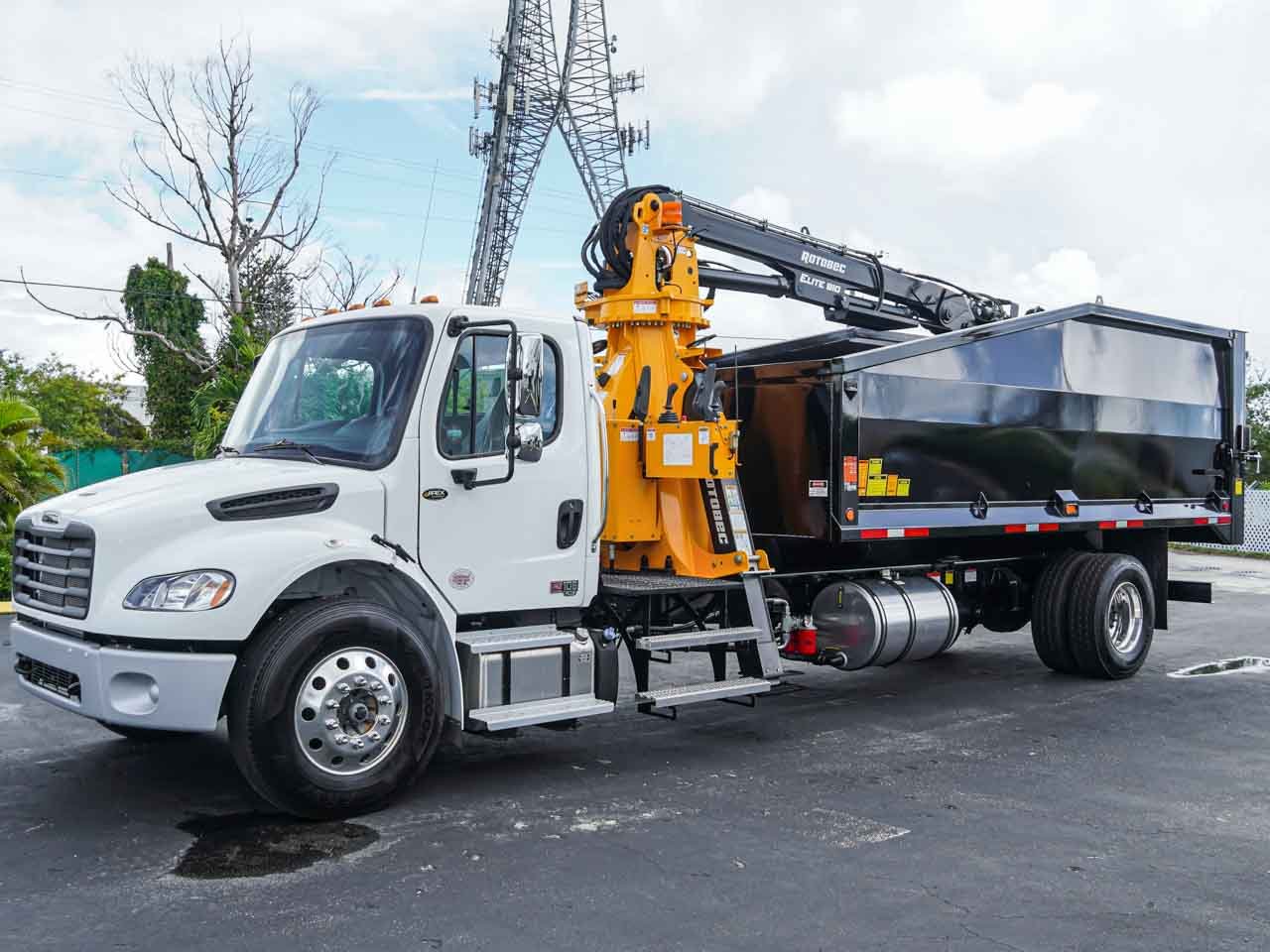
That’s why the phrase don’t hassle makes sense in situations where specialized handling can turn an exhausting project into a straightforward service call. Sometimes convenience isn’t laziness; it’s simply choosing the right approach for the job.
Experience Is Often More Valuable Than Muscle
People sometimes assume that difficult removal or hauling work is mainly about physical strength. In reality, experience tends to matter just as much, if not more.
An experienced team can look at a site and quickly understand the safest sequence of work. They know which items need special handling, how loads should be secured, and where potential complications may appear.
That knowledge is difficult to replicate with a few online videos.
It also helps prevent the classic DIY situation where half the work gets completed before someone realizes there’s no sensible way to finish the other half. We’ve probably all started a project with confidence and reached that uncomfortable moment of thinking, “Well… now what?” Read also: When Your Water Raises Questions: Knowing What to Do Next.
Planning ahead avoids a lot of those moments.
Clear Communication Matters Before Work Begins
Hiring a service shouldn’t feel like solving a puzzle. Before committing, it’s worth asking a few practical questions about what the service includes, how pricing is calculated, whether equipment is provided, and what preparation is expected from the customer.
Photos can be surprisingly useful too. For many jobs, sending a few clear pictures allows a company to understand the scale of the work before arriving. That can help them bring suitable equipment and give a more realistic estimate.
It’s also smart to verify the company’s contact info before scheduling anything. A legitimate service provider should make it reasonably easy to understand how to reach them, where they operate, and how customers can ask questions about a particular project.
Communication may sound like a minor detail, but it often tells you quite a lot about how smoothly the actual job will go.
Price Shouldn’t Be the Only Question
Naturally, cost matters. Nobody wants to pay more than necessary.
Still, choosing purely on the lowest quoted price can sometimes backfire. A cheaper service may exclude transportation, disposal, equipment, or additional labor. Another quote may look higher initially but include nearly everything required. Read also: The Quiet Evolution of Water in Our Homes: Why It Matters More Than You Think.
Ask what the estimate actually covers.
It’s also worth discussing possible extra charges before work begins. Difficult access, unusually heavy materials, longer travel distances, or additional loads can sometimes change the final cost. A clear conversation beforehand is much better than discovering unexpected charges afterward.
Good pricing is not necessarily the cheapest number. It’s the price that makes sense once you understand exactly what you’re receiving.
A Little Preparation Makes Everything Easier
Even when professionals are handling the difficult part, customers can make the process smoother with basic preparation.
Clear vehicles and unnecessary objects away from the work area. Keep children and pets somewhere safe. If access through a gate or driveway is required, make sure it’s available when the crew arrives. And if there are fragile surfaces, underground utilities, landscaping concerns, or other potential obstacles, mention them beforehand.
These details might seem obvious, but busy days have a habit of making obvious things easy to forget.
Preparation also gives the crew more room to work efficiently, which can reduce delays and unnecessary complications.
Sometimes Calling a Professional Is Simply the Smarter Move
There’s satisfaction in handling a difficult project yourself. But there’s also something satisfying about watching a complicated job get completed properly, safely, and without consuming your entire weekend. Read also: Why Healthy Water Begins with Knowing What’s Flowing Through Your Home.
The key is recognizing the difference between a manageable DIY task and work that genuinely benefits from professional equipment and experience.
Before starting, consider the weight involved, access to the site, transportation requirements, safety risks, disposal needs, and the value of your own time. If those factors begin stacking up, professional assistance may be the more sensible choice.
Because sometimes the best way to finish a tough job isn’t working harder. It’s knowing when the right people, tools, and experience can make the whole thing considerably easier.