Most homeowners don’t wake up one day suddenly obsessed with water quality. It usually starts with small annoyances that quietly build over time. Maybe your dishes keep coming out cloudy no matter how carefully you load the dishwasher. Maybe your shower leaves your skin feeling dry every morning. Sometimes it’s just the taste of the tap water changing enough that you start buying bottled water without really thinking about why.
At first, these things seem minor.
But over time, they become part of daily life in a way that slowly wears on you. And honestly, that’s usually when people begin realizing how much water affects the overall feeling of a home.
Water Touches Nearly Everything in a House
It’s easy to forget how often we rely on water every single day. Cooking, coffee, laundry, showers, washing dishes, brushing teeth — it quietly moves through almost every routine without demanding much attention. Read also: Why Whole-Home Water Filtration Can Make Everyday Life Better.
Until something feels wrong.
I remember staying at a relative’s house where the water tasted noticeably cleaner than mine at home. The coffee was smoother somehow. Even the shower felt different. When I asked about it, they casually mentioned they’d upgraded their filtration setup a few months earlier after years of dealing with hard water and chlorine taste.
The funny thing is, they didn’t describe it as life-changing. They just said the house “felt easier” afterward.
And honestly, that explanation made perfect sense.
Most Water Problems Build Slowly
One reason homeowners often ignore water issues for too long is because the changes happen gradually. Mineral buildup forms little by little. Strange tastes become familiar over time. Water pressure weakens slowly enough that people adapt without noticing.
You stop questioning why faucets constantly collect residue. You assume replacing coffee makers every couple of years is normal. You get used to buying bottled water because the tap tastes slightly off. Read also: Understanding Your Home’s Water: Why Better Water Starts with Better Decisions.
The problem is that small water issues rarely stay small forever.
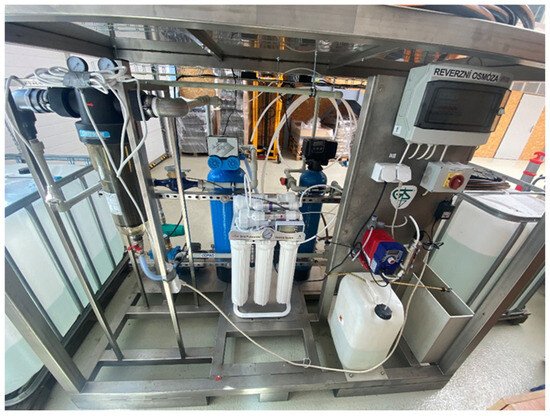
That’s why many homeowners eventually look into water treatment systems once the daily frustrations start piling up. Modern treatment equipment can help address concerns ranging from sediment and chlorine taste to mineral-heavy hard water and appliance-damaging buildup.
And honestly, many people are surprised by how much better everyday routines feel afterward.
Cleaner Water Improves More Than Drinking
People naturally focus on drinking water first, but water quality affects much more than what comes out of the kitchen faucet.
Laundry feels different. Dishes look cleaner. Soap rinses properly again. Appliances often work more efficiently when mineral buildup is reduced. Even cooking changes in subtle ways because ingredients aren’t competing with unpleasant water flavors.
Good water filtration also creates a kind of quiet confidence around the house. You stop second-guessing strange smells after storms or wondering why the sink leaves weird stains around the drain.
The whole environment simply feels more comfortable.
And honestly, comfort matters more than people sometimes admit. Small frustrations repeated daily have a way of wearing down the experience of being at home.
Hard Water Is More Common Than People Realize
One of the biggest household water complaints is hard water, though many families live with it for years before realizing how much it affects their home.
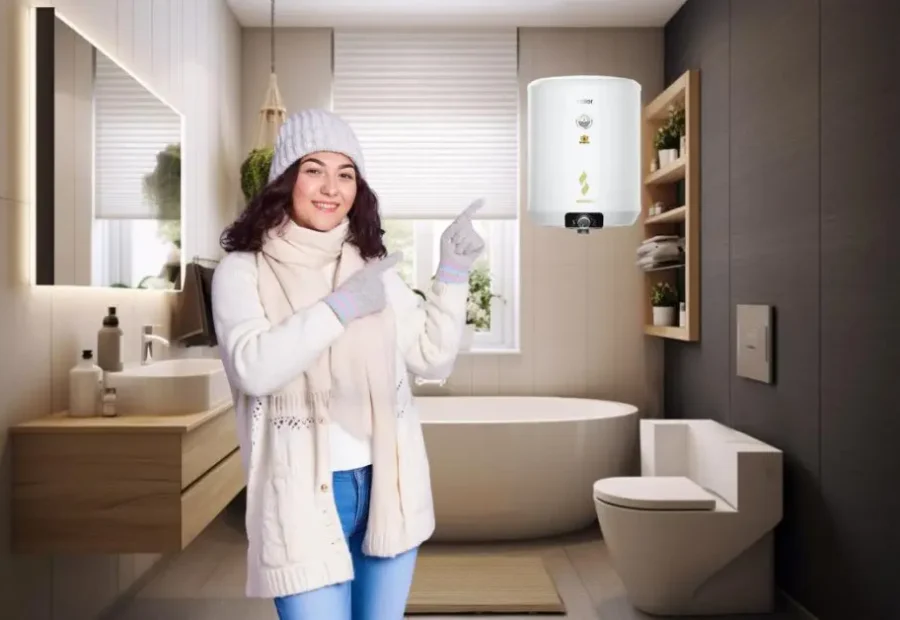
Hard water contains higher levels of minerals like calcium and magnesium, which slowly collect inside pipes, water heaters, dishwashers, and washing machines. Over time, that buildup reduces efficiency and creates all sorts of annoying side effects. Read also: Why Modern Water Heating Can Make Everyday Life Easier.
Soap becomes harder to rinse. Towels feel stiff after laundry. Shower doors develop cloudy residue constantly.
That’s why many homeowners eventually install water softeners to reduce mineral-related problems before they spread further through the plumbing system. Softer water tends to feel gentler on skin and hair while also helping appliances last longer.
And once people get used to the difference, they usually wonder why they waited so long to deal with it.
Every Home Has Different Water Challenges
One thing homeowners quickly discover is that there’s no universal solution for water quality. What works perfectly in one house may barely help another.
Geography matters. Plumbing age matters. Municipal treatment methods matter. Homes using private wells often face completely different concerns compared to homes connected to city water systems. Read also: Why Healthy Water Begins with Knowing What’s Flowing Through Your Home.
Some houses struggle mostly with hardness. Others deal with chlorine odor, sediment, sulfur smells, or iron staining. Older homes may even experience issues tied to aging pipes themselves.
That’s why testing the water properly matters before rushing into expensive upgrades or trendy products online.
The best water systems are designed around the actual condition of the home’s water instead of generic assumptions. Sometimes homeowners only need targeted kitchen filtration. Other times, whole-home treatment creates the best long-term improvement.
The important thing is understanding the problem first.
Better Water Quietly Changes the Feeling of Home
The interesting thing about improving water quality is that it rarely creates one dramatic moment where everything suddenly feels different overnight. Read also: Why Understanding Your Water Is the Smartest Home Improvement You Can Make.
Instead, the changes arrive quietly.
You stop noticing buildup around faucets. Coffee tastes cleaner. The dishwasher works properly again. Showers feel softer on your skin. You drink more tap water naturally because it actually tastes good.
None of these improvements sound especially exciting individually, but together they noticeably change how comfortable home feels every day.
And honestly, that’s probably why more homeowners are paying attention to water quality now than they used to. Not because they want complicated equipment or trendy upgrades, but because they’re tired of adapting to problems they assumed were unavoidable.
Sometimes better water doesn’t transform a home in some dramatic, movie-like way.
It simply removes dozens of little frustrations you didn’t fully realize were affecting your daily life until they finally disappear.