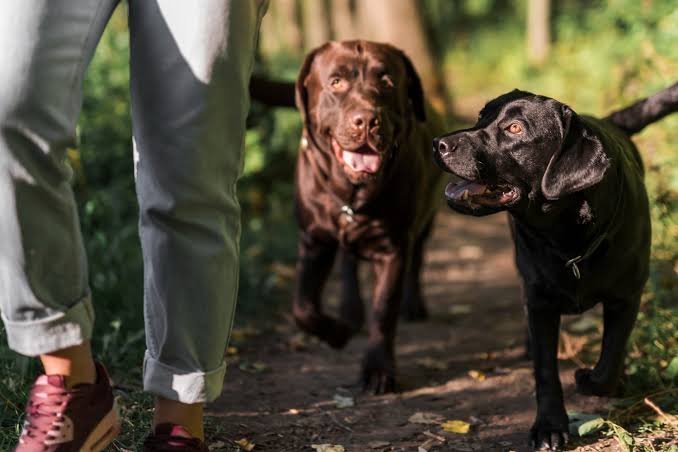
Basic obedience training gives dogs the skills they need to behave safely, calmly, and reliably in everyday situations. Commands such as sit, stay, come, down, and heel may seem simple, but they form the foundation for communication between dogs and their owners.
Good training is not about demanding perfect behavior. It is about helping dogs understand what is expected, giving owners practical ways to communicate, and building habits that hold up beyond the living room. With consistency, patience, and the right approach, basic obedience training can make everything from daily walks to welcoming guests easier. For guidance tailored to your dog’s needs, Rob’s Dog Training provides professional training support focused on building reliable everyday behavior.
Why Basic Obedience Training Matters
A dog does not automatically understand human expectations. Jumping on visitors may feel like an enthusiastic greeting to a dog, while pulling toward another dog on a walk may simply be exciting.
Training provides structure around these everyday situations.
Basic obedience can help dogs learn to:
- Respond to cues consistently
- Focus on their handler around distractions
- Walk more politely on a leash
- Wait rather than rush through doors
- Come when called
- Settle down when excitement rises
- Follow boundaries at home and in public
These skills also provide an important foundation for more advanced work. Recall, off-leash reliability, behavior modification, and public manners become easier to develop when a dog already understands how to listen and respond.
The Core Skills Every Dog Should Learn
Basic obedience training should focus on useful behaviors rather than simply teaching a long list of commands. The goal is to build communication that works in real situations.
Sit and Down
Sit and down are foundational behaviors that can help dogs learn to pause and focus. They are particularly useful during greetings, meal preparation, or moments when excitement needs to be reduced.
However, the command itself is only part of the lesson. Dogs also need to understand when to maintain the behavior and when they are released.
Stay and Impulse Control
Stay teaches a dog that a cue does not end simply because the handler moves away.
Start in a quiet environment with short durations. Gradually increase distance, duration, and distractions instead of expecting a dog to hold a stay for several minutes immediately.
Impulse control is equally important. A dog that can pause before rushing through a doorway or grabbing something from the floor has greater opportunities to make safe choices.
Come and Recall
A reliable recall can be one of the most valuable skills a dog learns. It allows owners to redirect their dogs away from potential hazards and strengthens communication when the dog is at a distance.
Begin recall exercises in low-distraction environments. Rewarding successful responses and gradually introducing more challenging surroundings can help build reliability.
Never assume that a dog understands recall simply because it responds perfectly inside the house. Real-world distractions can dramatically change the difficulty.
Leash Manners and Heel
Walking calmly on a leash requires more than stopping a dog from pulling. Dogs need to learn that staying connected with their handler is rewarding and that distractions do not automatically dictate where they go.
Practice in manageable environments first. As the dog improves, introduce new locations, people, sounds, and other distractions.
This gradual progression is one reason real-world practice matters so much. Rob’s Dogs incorporates training beyond controlled exercises, helping dogs practice obedience and manners in environments where owners actually need those skills.
How to Make Obedience Training More Effective
Even a well-designed training plan can struggle without consistency. Dogs learn through repetition, clear communication, and predictable consequences.
Use these strategies to make sessions more productive:
- Keep sessions focused. Short, purposeful training periods can be easier for dogs and owners to manage than lengthy sessions that lead to frustration.
- Use clear cues. Choose consistent words and avoid repeatedly changing commands.
- Reward the behavior you want. Reinforce appropriate responses so your dog has a clear reason to repeat them.
- Increase distractions gradually. Move from quiet environments to increasingly challenging situations.
- Practice throughout the day. Use everyday moments such as doorways, meals, walks, and greetings as training opportunities.
- Stay consistent among family members. Dogs receive mixed signals when each person uses different rules or expectations.
The most important lesson is that training should become part of everyday life rather than something that only happens during scheduled sessions.
Why Distractions Change Everything
A dog that responds perfectly in the kitchen may suddenly ignore the same command at a park.
That does not necessarily mean the dog is stubborn or has forgotten the training. The environment may simply be much more difficult.
New smells, unfamiliar people, other dogs, traffic, wildlife, and movement can compete for a dog’s attention. Effective obedience work therefore needs to progress beyond a quiet training area.
One useful approach is to think of training in three stages:
Learning: The dog understands what the cue means.
Consistency: The dog performs the behavior reliably in familiar settings.
Proofing: The dog learns to respond despite distractions and changing environments.
Rob’s Dogs describes this progression as moving from foundation learning to consistency and eventually real-world proofing. Its programs incorporate different environments to help dogs generalize what they have learned.
When Basic Obedience Training Is Not Enough
Not every behavior problem is simply a lack of obedience.
A dog that lunges at other dogs, panics when left alone, or displays fear around unfamiliar people may need a more specialized training plan. Attempting to solve complex behavior concerns by repeatedly drilling basic commands can miss the underlying issue.
That is where an individual assessment can be valuable.
Professional trainers can observe the dog’s behavior, identify contributing factors, discuss the owner’s goals, and create a training plan suited to the dog’s needs. Rob’s Dogs, for example, begins its process with a behavioral assessment or consultation before outlining a personalized plan.
This individualized approach matters because dogs differ in temperament, history, learning speed, environment, and behavior challenges.
Choosing the Right Dog Training Approach
There is no single training format that works equally well for every household.
Private lessons can be useful for owners who want to participate directly and learn how to train their dogs themselves. Board-and-train programs provide a more immersive environment, with professional trainers working with the dog consistently over a defined period.
The right choice depends on factors such as:
- The dog’s current behavior
- The owner’s schedule
- Training goals
- The dog’s learning history
- The level of owner involvement desired
- Whether behavior modification is needed
Rob’s Dogs offers both private lessons and board-and-train programs, with training plans tailored to the dog and owner’s goals. Its board-and-train approach combines structured daily training with owner coaching afterward, while private lessons emphasize hands-on participation.
The Owner’s Role After Training
One of the most overlooked parts of basic obedience training happens after the formal lesson ends.
Dogs need continued reinforcement to maintain their skills. If a dog learns to wait at the door but is allowed to rush outside every other day, inconsistent expectations can weaken the behavior.
Owners should continue practicing:
- Basic commands
- Leash manners
- Recall
- Calm greetings
- Impulse control
- Appropriate boundaries
Training also becomes more effective when owners understand how to respond when a behavior slips. Instead of becoming frustrated, return to a simpler environment, reinforce the correct response, and gradually work back toward the more difficult situation.
Professional training should teach owners, not just dogs. Rob’s Dogs includes owner coaching as part of its training process and provides ongoing support after graduation, helping families maintain the skills developed during training.
Building Better Behavior One Skill at a Time
Basic obedience training is about building lasting communication between dogs and their owners. Consistent practice helps dogs respond to commands, stay focused, and make better choices in everyday situations.
For professional guidance, Rob’s Dog Training offers personalized training based on each dog’s needs and behavior. With the right approach and continued practice, obedience skills can become reliable habits that support a calmer, more confident relationship.