
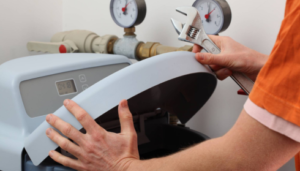
There’s something oddly satisfying about a home that simply works the way it should. The shower pressure feels right. The water heater behaves. Faucets don’t drip all night like a slow form of psychological torture. Most people don’t notice these things when everything is running smoothly — but the second something goes wrong, it suddenly becomes impossible to ignore.
I’ve always thought home maintenance is a bit like taking care of your health. Ignore little warning signs long enough, and eventually they stop being little.
A few years ago, a neighbor told me they skipped servicing their plumbing system because “everything seemed fine.” A few months later, a pipe issue caused water damage behind their laundry room wall. Nothing catastrophic, thankfully, but enough to become expensive and stressful very quickly.
That conversation stuck with me because most home problems don’t appear out of nowhere. They build quietly in the background while people stay busy living life.
Why Seasonal Changes Affect More Than We Realize
Every season places different pressure on a home. Winter can strain pipes and heating systems. Summer increases water use through gardening, showers, and laundry. Rainy months sometimes affect water clarity or drainage performance. Even temperature swings can impact plumbing in older houses.
That’s why paying attention to seasonal maintenance tips matters more than many homeowners realize. Small preventative habits often save far bigger headaches later on.
Simple things — checking for leaks before winter, cleaning sediment from appliances, inspecting outdoor faucets before temperatures drop — don’t sound exciting. But honestly, those boring little tasks are often the difference between a comfortable season and a frustrating repair bill.
And strangely enough, homes tend to reward consistency. A little attention throughout the year goes surprisingly far.
Water Systems Quietly Need Attention Too
One area people overlook constantly is water-related equipment. Since most systems stay hidden in basements, garages, or utility closets, homeowners often forget they exist until something stops working properly.
Water heaters lose efficiency gradually. Filters clog slowly. Mineral buildup develops inside appliances over time. The signs appear quietly — weaker pressure, cloudy dishes, dry skin, odd noises during washing cycles.
But because these problems develop slowly, people adapt without fully noticing.
I remember visiting a relative whose shower pressure had become so weak they thought it was normal aging plumbing. Turns out, years of mineral buildup had narrowed parts of the system significantly. After cleaning and servicing the setup, the difference felt immediate.
Sometimes homes don’t need major replacements. They just need attention.
The Role Water Softeners Play in Daily Comfort
Hard water is one of those household issues people tolerate far longer than they should. White residue around faucets, stiff laundry, clogged showerheads, dry skin — many homeowners simply accept these annoyances as normal parts of life.
That’s one reason water softeners have become increasingly common in homes dealing with mineral-heavy water supplies. By reducing excess calcium and magnesium, softeners help improve water flow, appliance efficiency, and overall comfort throughout the house.
The interesting thing is how quickly people notice the change afterward. Soap lathers better. Glassware looks cleaner. Towels feel softer. Even showers somehow become more enjoyable.
And honestly, once homeowners experience softened water consistently, they usually wonder how they tolerated the old setup for so long.
Maintenance Isn’t Glamorous — But It Matters
Let’s be honest for a second: nobody gets excited about household maintenance. People enjoy remodeling kitchens or buying new furniture because those upgrades are visible and satisfying immediately.
Replacing filters? Checking salt levels? Inspecting plumbing connections? Not exactly thrilling.
But routine maintenance quietly protects the expensive parts of a home from bigger problems later. It extends appliance lifespan, improves efficiency, and reduces the likelihood of emergency repairs that always seem to happen at the worst possible moment.
A friend once compared home maintenance to brushing your teeth. You don’t do it because it’s exciting. You do it because ignoring it eventually becomes painful and expensive.
Honestly, that analogy works surprisingly well.
Small Signs Are Usually Worth Investigating
One common mistake homeowners make is waiting until something completely fails before taking action. But homes usually give warning signs long before major breakdowns happen.
Water pressure changes. Faucets develop buildup faster than normal. Utility bills creep upward without explanation. Appliances start making new sounds people pretend not to hear.
These aren’t always emergencies, but they’re often signals that something behind the scenes needs attention.
The tricky part is that modern life makes it easy to postpone these things. Everyone gets busy. Maintenance slips down the priority list. Weeks become months surprisingly fast.
Then suddenly a minor issue becomes an expensive one.
Why Preventative Care Feels More Important Now
Homes today handle more pressure than they used to. More appliances, higher water demands, increased energy use — everything works harder now.
At the same time, repair costs continue rising, which makes preventative care far more valuable financially than it once was. Homeowners aren’t just trying to avoid inconvenience anymore. They’re trying to protect long-term investments too.
That’s probably why more people are starting to think proactively instead of reactively when it comes to plumbing and water systems.
Not because maintenance became trendy. Simply because repairs are stressful, disruptive, and rarely cheap.
Comfort Comes From Invisible Things
One thing I’ve realized over time is that comfortable homes aren’t only built through decoration or design. A lot of comfort comes from invisible systems quietly functioning correctly in the background.
Reliable plumbing. Consistent hot water. Efficient appliances. Clean water flow. Stable pressure.
Nobody compliments these things during a dinner party, but homeowners notice them every single day.
And when those systems fail, daily routines suddenly become much harder than expected.
Final Thoughts
Home maintenance may never become exciting, but it’s one of those quiet responsibilities that pays off over time in ways people deeply appreciate later.
Small seasonal checkups, water system care, and preventative habits rarely feel urgent in the moment. Yet they help homes stay comfortable, efficient, and reliable year after year.
And honestly, that peace of mind is worth more than most people realize while everything is still working properly.